Volvo’s Berkeley County operations could mean much more than 4,000 jobs for the state, according to University of South Carolina economist Joey Von Nessen.
“When I hear 4,000 jobs coming in from Volvo, I see a much larger number because the automotive cluster has a well-established footprint in our state,” said Von Nessen, who is a research economist with the university’s Moore School of Business.
The clear example is BMW, which has far exceeded its 1992 pledge of 2,000 jobs and $600 million in capital investment. The company directly employs more than 7,600 people for labor income of $677 million, but indirectly supports 23,000 more jobs, according to the Moore School’s annual economic impact study of the German company.
“They basically under-promised and over-delivered,” said Von Nessen.
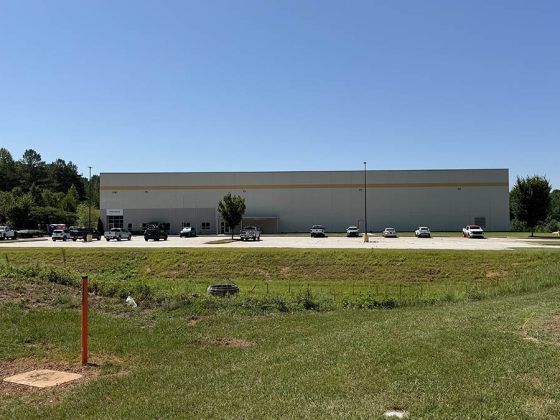
Volvo announced plans Monday to invest $500 million in building its first U.S. factory in the Charleston region, a deal that could include a $204 million incentive package to bring 2,000 jobs over the next decade and up to 4,000 jobs by 2030.
But those jobs and investment are from Volvo alone, and don’t include the economic impact of local suppliers that can now manufacture for, sell to and service Volvo activities, Von Nessen said.
“When a company comes into South Carolina, where do they buy their supplies? Where do they get their inputs?” he said. “We have to consider the ripple effects due to the economic multiplier effects in the supply chain.”
Volvo – which manufactures vehicles from two plants in Europe and two in China – began importing cars to the U.S. in 1955. The Berkeley plant will take the company from automotive importer to domestic manufacturer, the company said in a news release.
Volvo cited access to international ports and infrastructure, labor force, attractive investment environment and high-tech manufacturing experience behind its decision. The state’s workforce training program for qualifying companies, ReadySC, will be helping Volvo find and train workers for the plant.
“You’re going to see a positive impact universally on the port,” said Von Nessen. “Volvo is trying to increase their U.S. market here, but it’s a global automotive market. … Export-oriented manufacturing has been a major boon for South Carolina, particularly in the last five years.”
Challenges for the future will clearly include road infrastructure maintenance, as well as maintaining investment in workforce development efforts.
“Workforce development is going pretty well right now, but that’s something we can’t take for granted,” he said. “Improving those programs and making sure we’ve got opportunities for South Carolinians to take advantage of those jobs coming in is crucial.”