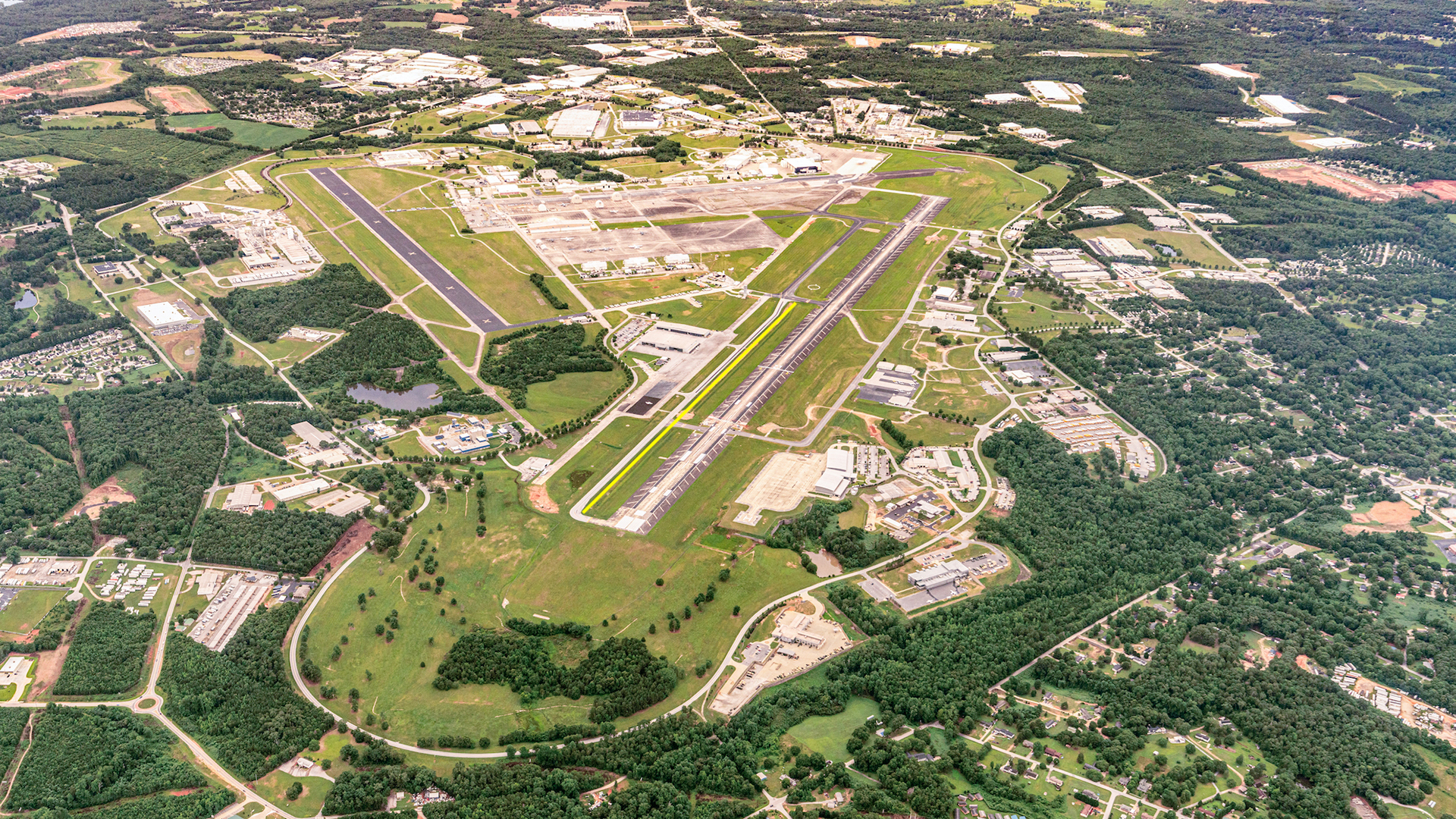
Whereas many of South Carolina’s business hubs were only recently constructed, South Carolina Technology and Aviation Center got its start during World War II as Greenville Army Air Base.
From military to civilian
The base was constructed in 1942 and served the military until 1963. Now it’s one of the state’s most important commerce parks, generating in excess of $2 billion in annual economic impact and assisting in the research of some of the most advanced vehicles to see the streets — along with producing the most advanced Lockheed Martin F-16s in the air. The defense contractor Lockheed Martin is one of the cornerstones of SCTAC and has been since 1984.

Jody Bryson, president and CEO of SCTAC, said it was the visionary leaders back in the 1960s who saw the potential of turning the shuttered Air Force base into an industrial park. Within five months, the organization had sold surplus equipment, utility rights and a rail line to repay a private loan.
Besides Lockheed Martin, the organization attracted 3M to the area, one of only three self-described “megasites” in the country, along with Michelin, PAI Pharma, Stevens Aerospace and a number of smaller aviation companies.

Visionary leadership
Over the past 15 years, Greenville native and Clemson and University of South Carolina alumnus Bryson has led SCTAC to become a locally focused company with an eye on global markets.
“My vision was to develop a global economic strategy for the park,” he said.
The organization rebranded to SCTAC around that time. It’s co-owned by the city and county, although it doesn’t get funding from either. The organization is able to operate with revenue from tenant companies.
“We are technically a joint industry of the city and county,” Bryson said. “We are unique within South Carolina — there’s no facility like it.”
As Bryson was working on the vision for the park, Clemson University’s International Center for Automotive Research was coming into its own. The campus’ needs fit with SCTAC — which by then had converted one of the old runways into an automotive test track, dubbed the International Transportation Innovation Center.
An asset to the state
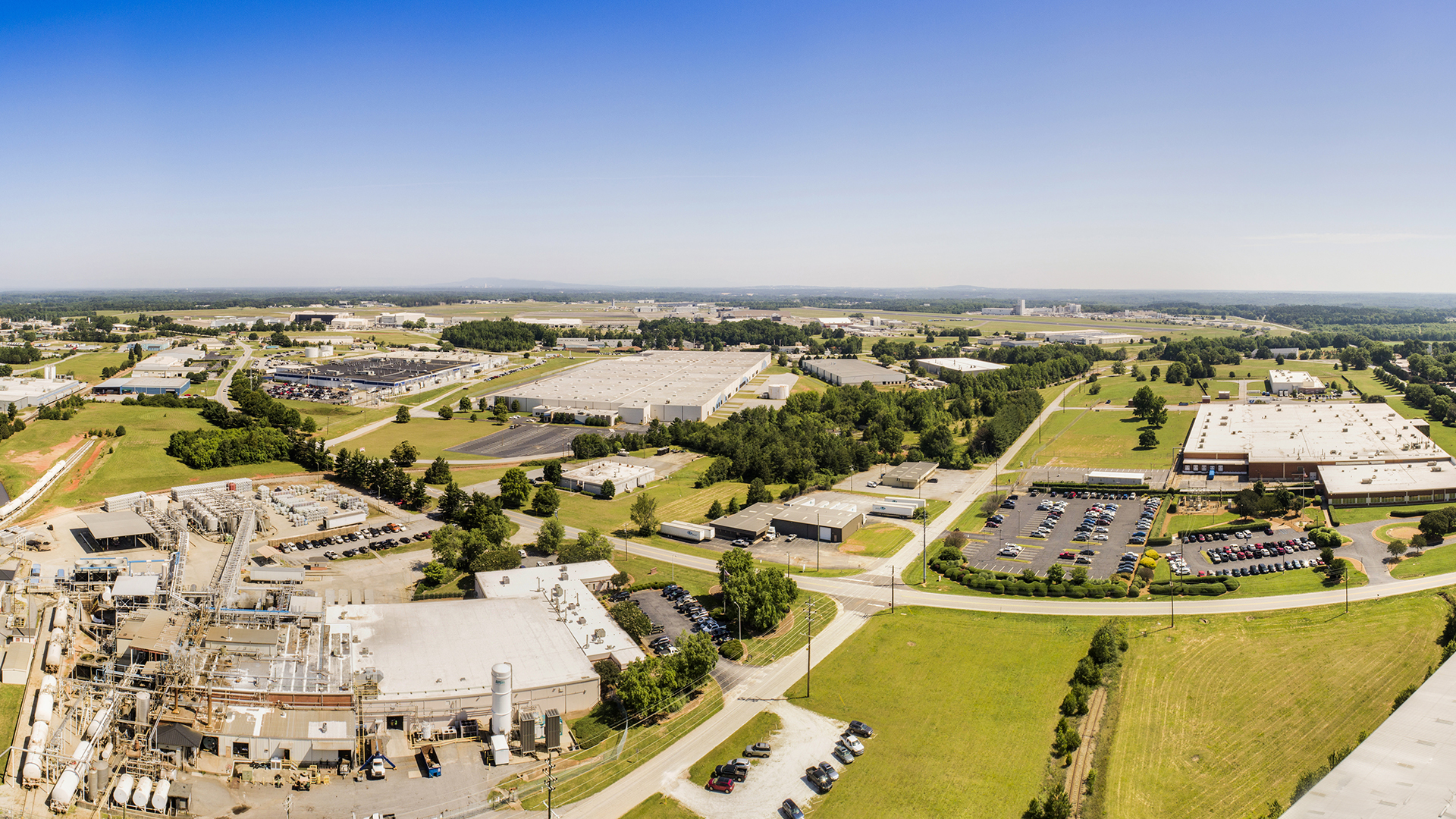
Much like the Port of Charleston, Bryson said SCTAC benefits the entire state, with close proximity to other businesses around South Carolina allowing for widespread access to automotive testing, aircraft repair and manufacturing.
“South Carolina has a great reputation as a pro-business state,” he said.
That reputation has helped the facility land plenty of dollars in foreign-domestic investment — allowing SCTAC to expand over the past 15 years.
Five years ago, the site boasted around 2,200 employees, Bryson said. Now there are closer to 3,000.

David Clayton, assistant vice president for corporate partnerships and strategic initiatives at CU-ICAR, said the test track at SCTAC has been invaluable to many students looking to complete their master’s thesis projects that involved building a concept car and testing it in real-world situations.
While Clayton said the track may not have everything CU-ICAR needs all the time, having a track that’s accessible to students while not having to spend millions to develop one at CU-ICAR is a compelling reason to keep coming back to SCTAC.
“What we have is very complementary, and we work together to bring companies to the region,” Clayton said. “SCTAC provides a magnet for them to stay.”
Facts about SCTAC
- Annual economic impact in excess of $2 billion
- More than 39% of S.C.’s 400 aviation and aerospace-related companies are in the Upstate
- Since 1984, home to the Lockheed Martin Greenville Operations Center
- In 2014, the S.C. National Guard opened a $30 million Army Aviation Support Facility
- More than 110 companies have a presence
- S.C.’s largest general aviation airport with an 8,000-square-foot runway