A survey of local nonprofits earlier this year has confirmed a national trend that the philanthropic sector is under increasing strain due to higher costs and surging demand for services amid recent federal and state funding cuts and policy changes.
Greater Good Greenville, which provides connections and assistance to nonprofit groups, conducted a “Pulse Survey” of 64 local nonprofit leaders in March to assess the impacts of funding cuts and policy changes on their organizations’ operations. The survey was modeled after a national study conducted by the Center for Effective Philanthropy in 2025 entitled “A Sector in Crisis: How U.S. nonprofits and foundations are responding to threats.”
Local effects, national trend
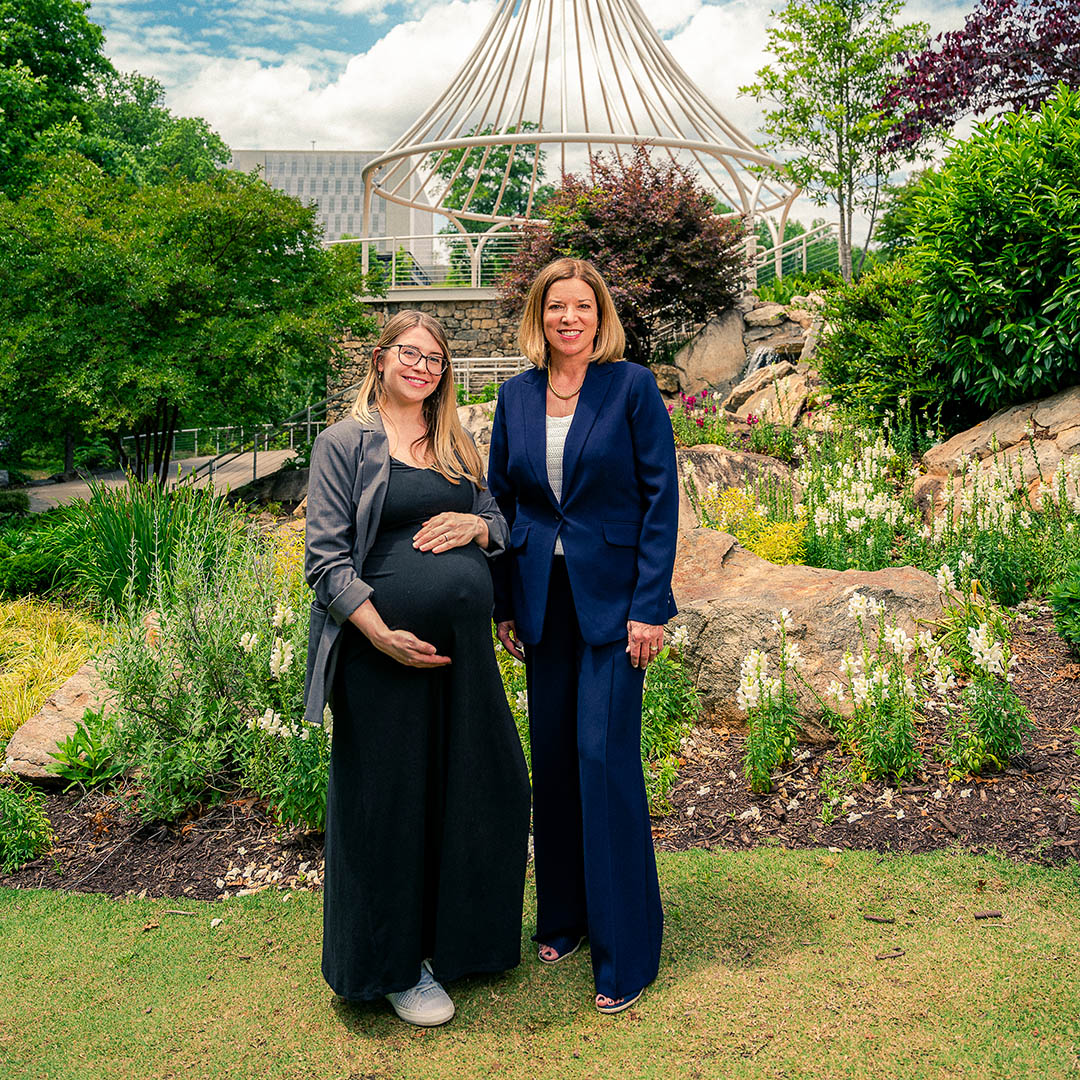
The experience of local nonprofits tracks closely with the national trends reflected in the CEP study, according to Katy Smith, Greater Good Greenville’s executive director.
Federal funding and policy changes have significantly impacted public benefit programs like Medicaid and SNAP, which in turn have driven a surge in demand for help from nonprofits all across the country.
GGG’s Pulse Survey shows local impacts similar to national trends in four key areas:
- 69% of nonprofits surveyed report an increase in demand for services (versus 81% nationally)
- 72% report a reduction in revenue with 28% reporting direct cuts to federal funding (versus 69% nationally)
- 69% of local nonprofit leaders express concerns about their future stability with nearly half — 45% — expressing concerns about their ability to continue operations (versus 71% nationally)
- 39% report having to cut staff with 44% reporting having to cut or suspend services (versus 33% and 40% nationally)
These impacts, in turn, lead to higher administrative costs in terms of time, stress and the need for greater communication between organizations and donors and between organizations and the people they serve, according to Carri Hutchens, the GGG project manager who authored the report on the Pulse Survey’s findings.
Beyond the funding and policy impacts, there’s also the reality everyone, from individuals to businesses to nonprofits, is facing: inflation.
This is one of the most acute pressures nonprofits are facing, according to Tessa May, executive director of Loaves & Fishes, a Greenville-based food rescue organization.
In particular, surging fuel prices have a direct operational impact on the nonprofit because it relies on a fleet of trucks to collect food donations seven days a week, May said.
She explained higher costs tied to fuel prices also drive down donations from grocery stores because those stores are buying less produce and keeping it on shelves longer. So far this year, that has meant Loaves & Fishes has received 25,000 pounds less in food donations from grocery stores compared to this time last year, May said.
Increased operational costs are also impacting nonprofits like The Children’s Museum of the Upstate, according to Lauren Luneckas, TCMU’s CEO.
“We’re experiencing rising costs in numerous operational areas, and we are working hard to absorb those costs wherever possible,” Luneckas said. “As operating costs rise, the tension between covering those costs and maintaining affordability can be a real tightrope walk.”
Call to action

May said the challenge in this environment is that while higher costs are impacting the resources nonprofits like hers can bring to bear on helping the community, those same increased costs are pushing more people over the brink and into situations where they need help with basic necessities like food.
“When food prices increase, it becomes more of a burden on those that are already living paycheck to paycheck,” she said. “So many who only needed food assistance on occasion or didn’t need food assistance … it pushes them over to where they are having to look for additional resources because they can’t afford it.”
The good news is that the Greenville community has a strong tradition of philanthropic giving, according to May, Smith and Luneckas. This might account for the slightly more optimistic outlook local nonprofit leaders report compared to the national trend.
Smith said this is one of the reasons GGG conducted the Pulse Survey and is working to get the results out into the broader community.
In short, Smith said, the survey serves as a call to action.
“It’s almost like (the survey is a) thermometer that tells us ‘does the sector have a fever,’” she said. “ And yes, there is a fever.”
Another factor at play is a shift in philanthropic giving toward increasing use of donor-advised funds. Smith said part of this shift is driven by changes under the Big Beautiful Bill Act regarding how much and when donations are tax deductible.
Smith said one net result of all the uncertainty in the economy and the shift to DAFs is funding may “hang out” in DAFs instead of going to the nonprofits where those dollars can be put to work.
“So people need to get those dollars moving,” she said.
May said another extremely valuable local resource is the directory of local nonprofits compiled by Greater Good Greenville and accessible through a dedicated website, givegreenville.org.
May said using the directory is an important way donors can ensure their contributions have the most impact by aligning their gifts with the organizations and causes they are most passionate about.
“Doing a little bit of research into…what it is that you actually care about and who is moving the needle for that issue within our community…it has a significant impact,” May said.
For more information about Greater Good Greenville and its work amplifying the impact of the community’s nonprofit sector, visit greatergoodgreenville.org.
What is a donor advised fund?
A donor advised fund (DAF) is a type of investment fund designed for philanthropic giving. DAFs afford an immediate tax deduction for donations of cash, securities or other assets, and they have become the fastest-growing vehicle for philanthropic giving in Greenville, according to Greater Good Greenville.
GGG Pulse Survey fast facts
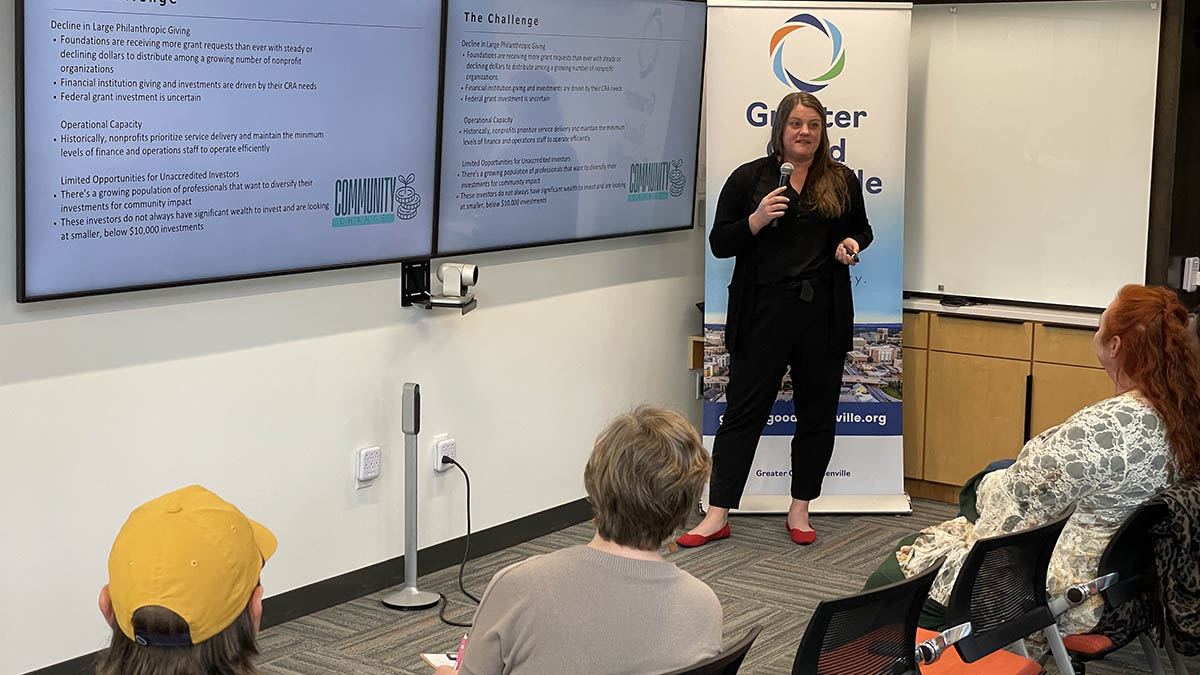
Greater Good Greenville’s March 2026 Pulse Survey of local nonprofits found increased pressure in four key areas:
- Surging demand for services — 69% of responding nonprofits reported higher demand for the services they provide
- Widespread revenue loss — 72% reported losses in primary revenue sources
- Existential risk — 69% of nonprofit leaders reported concerns over future stability
- Operational cuts — 39% reported cutting staff and 44% reported pausing or cutting services