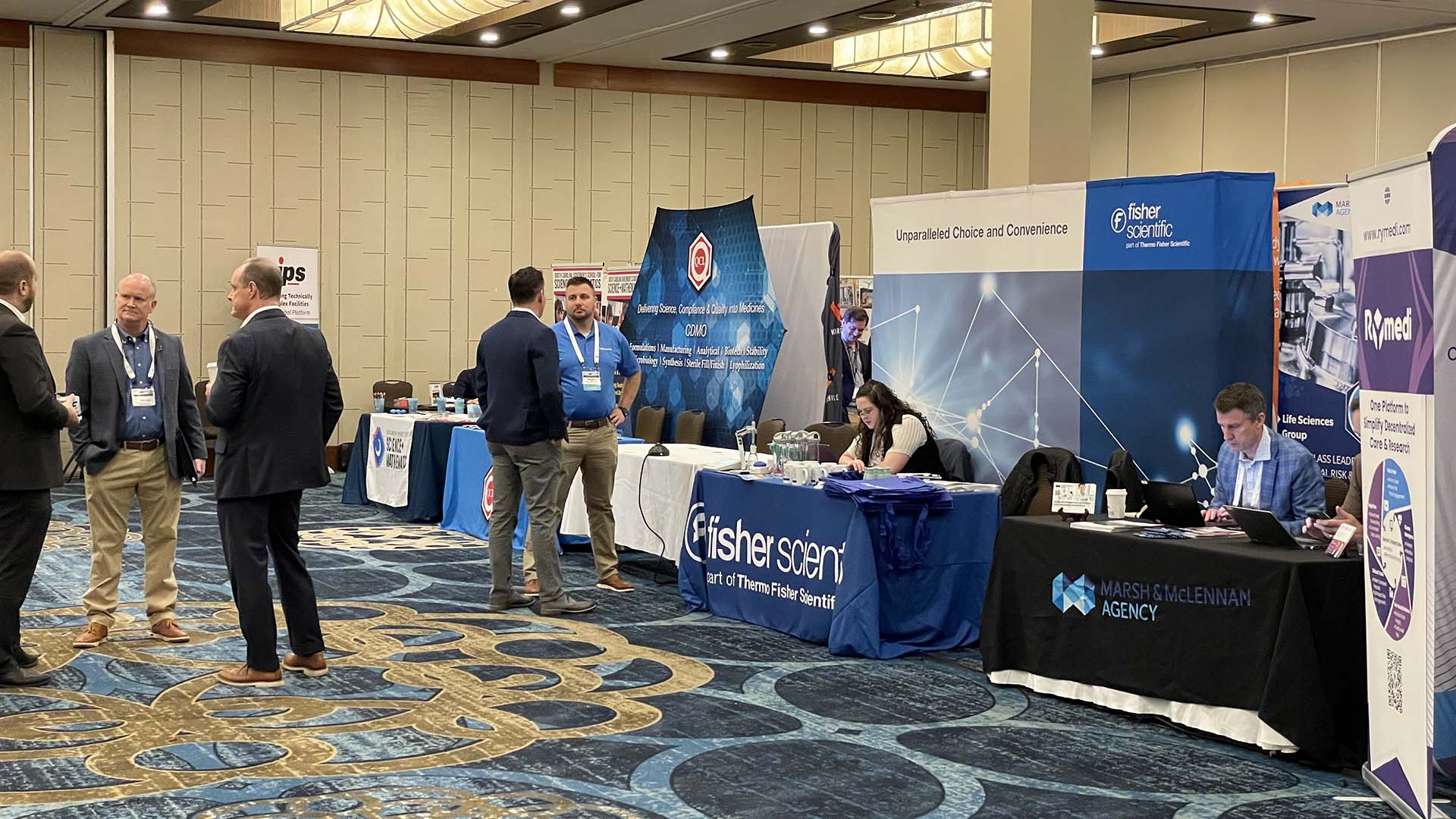
The life sciences industry continues to be the fastest-growing sector of South Carolina’s economy, but the state needs to commit to transforming itself into the Southeast hub for the industry.
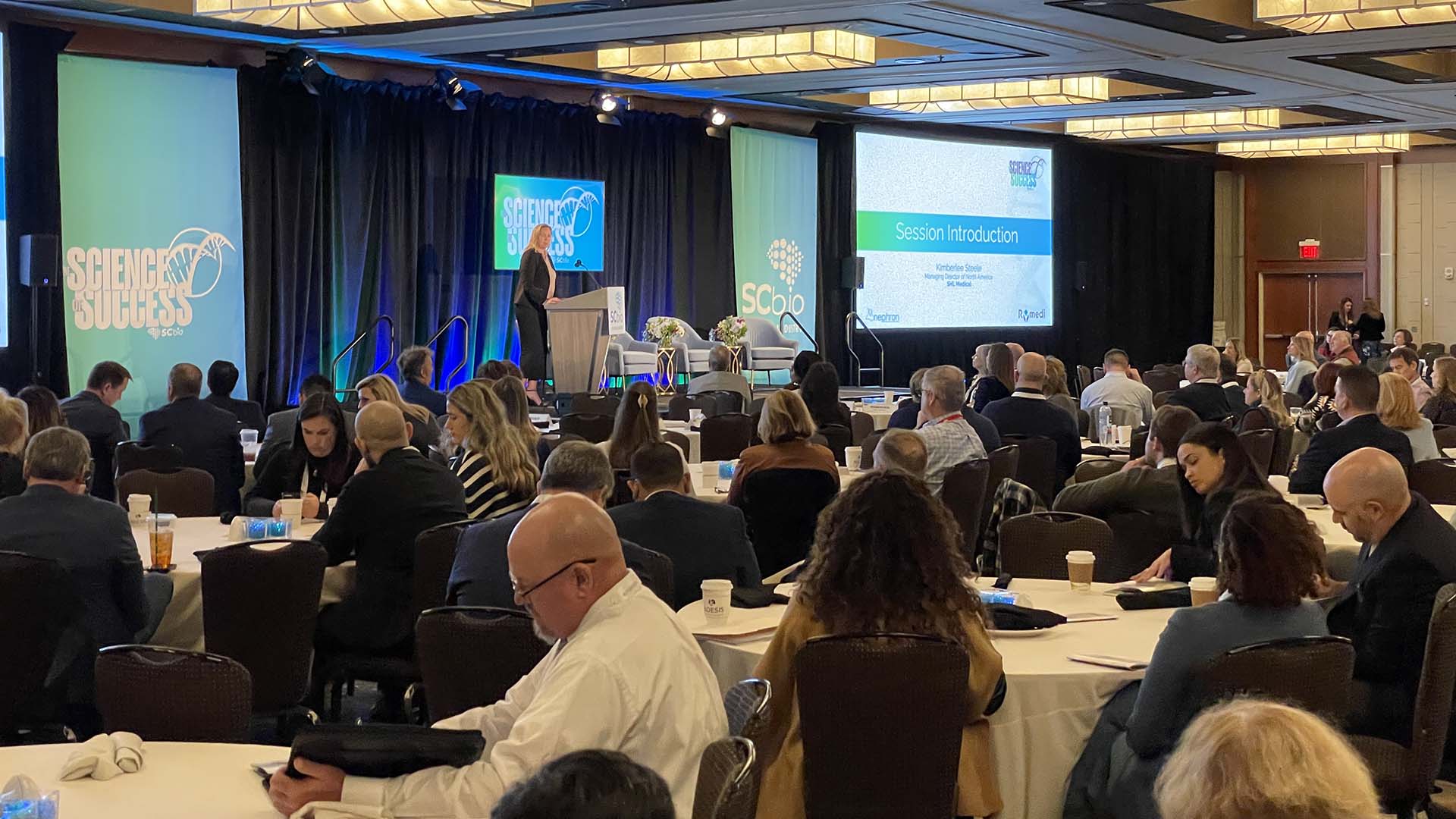
That was the message during a state of the industry talk delivered by James Chappell, president and CEO of SCBio, during the organization’s annual conference in Greenville, Feb. 6-8.
With more than 1,000 companies generating $25.7 billion in economic activity across the state annually, South Carolina is poised to move up the “value chain” of life sciences to become a regional and national leader in the sector, Chappell said.
While life sciences cover a wide range of endeavors and Palmetto State firms and researchers can’t excel in all of them, there are several areas where the state can expand to seize a leading role, he said.
Life sciences firms and research institutions in the state are already making great strides in biomanufacturing, oncology, Alzheimer’s research and treatments, and digital health.
Chappell said he is particularly excited about advances in digital health where computer technology is poised to revolutionize health care diagnostics and treatment.
“I think a lot of us know the next breakthrough therapy is likely going to be discovered on a computer before it’s discovered in a lab,” he said.
But to grow in these areas where the state already excels, the industry and the state’s policymakers can’t be complacent or satisfied with the status quo.
“We have to commit — we can’t dip our toe,” he said. “We have to commit and make big bets in these areas…The exciting thing is we’re far from starting from zero.”
Shifting priorities
Chappell said momentum is building in this direction, particularly with the recent announcement by the state Department of Commerce to prioritize growing the life sciences sector.
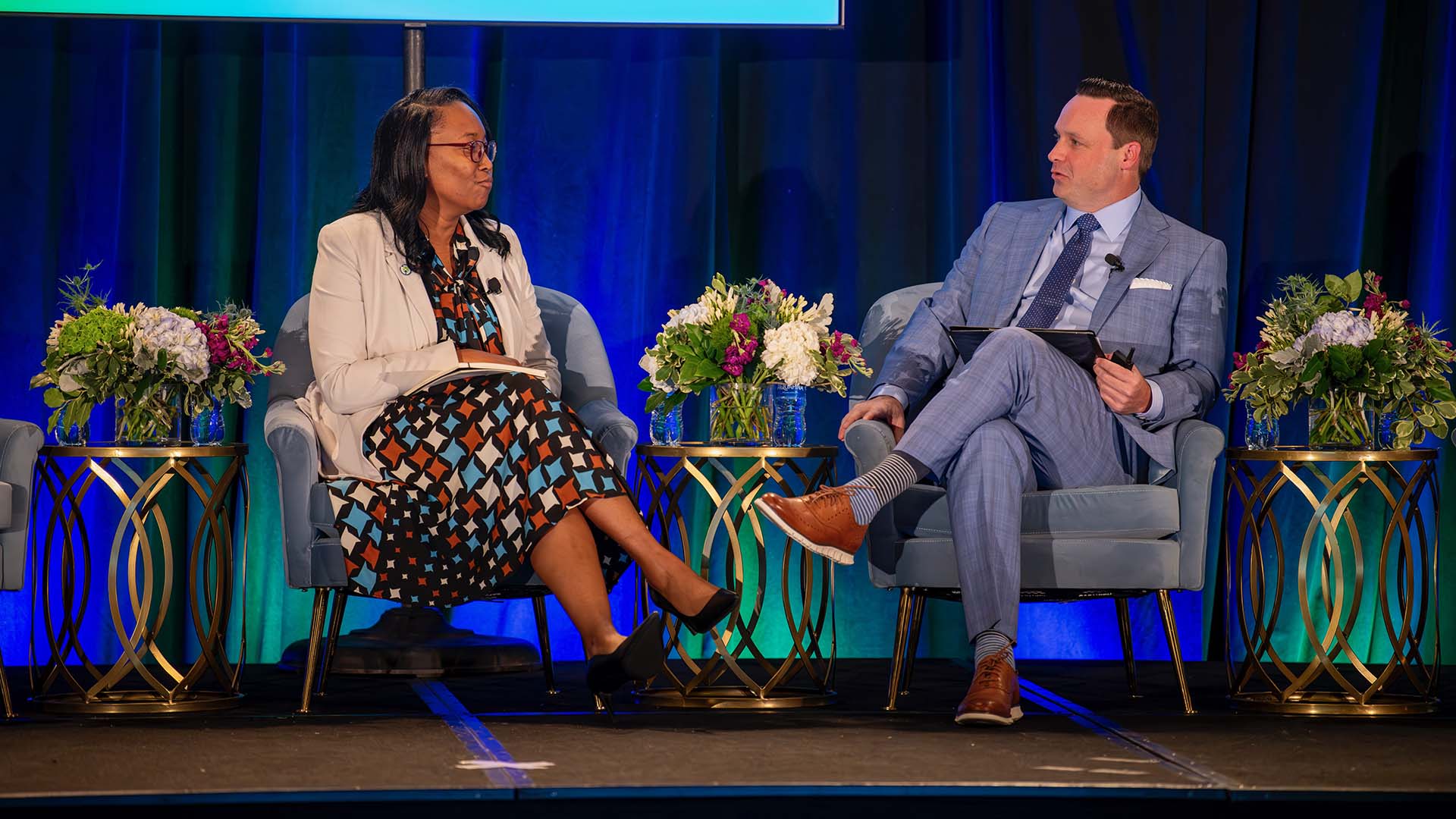
One of the key reasons the department chose to prioritize life sciences is the recognition that economic diversification is vital to the state’s continued prosperity, according to Ashely Teasdel, deputy secretary at commerce, who joined Chappell in discussing the industry.
“I think we have an opportunity to do more as a state partner, to be more deliberate, to be more creative and to have more collaboration with multiple partners,” Teasdel said.
She said the department’s new brand, “Launch to Legacy,” leans into South Carolina’s reputation as having a great quality of life where businesses and the people who start and grow them can thrive.
Beyond messaging, Teasdel said specific investments from the state in life sciences infrastructure like Greenville’s Main Street Lab will play an important role in expanding the life sciences industry in the state.
Chappell said becoming a regional and national leader in life sciences will require both capital investment and making that goal a policy priority on the part of the legislature and other state leaders.
But the thing that could catapult the state into a leadership position is having a homegrown company go public, he said.
“We need an IPO — we need a company to go public in South Carolina,” he said. “We need a couple of those to be our anchors.”
Pursuing that objective is the goal of SCbioDrive, a new life sciences business accelerator program announced at the annual conference.
Chappell said the program is patterned after and in collaboration with MassBioDrive, a similar program run by SCBio’s counterpart in Massachusetts.
“They’ve never done it in another state … (but) they see the growth potential in South Carolina,” he said.
Chappell said it is one of the ways SCBio and the state as a whole can make big bets on the future of the life sciences industry.
SC life sciences snapshot
- 1,033 firms active in 42 of the state’s 46 counties
- $25.7 billion in annual economic impact in state’s economy
- Industry has grown an average of 42% a year since 2017
- More than 87,000 state residents employed in industry