

In the Upstate, if you’re pregnant and want an ultrasound, it will cost you anywhere from about $110 all the way up to $280, depending on where you go.
If you need an angioplasty procedure, that’ll cost you about $31,000 or up to $87,000 — again, depending on which hospital you visit.
Pick any health care procedure — colonoscopy (priced from $1,050 to $3,400), disc replacement surgery ($16,600 to $45,600) or CT scan ($490 to $1,250) — and you’ll likely find a wide disparity in pricing, according to a local price estimate report from New Choice Health.
 This is nothing new. Drastic differences in pricing for the same procedure or treatment option have become such a common occurrence that National Public Radio has long featured a segment called “Bill of the Month,” in which health care experts try to parse through the absurdity of hospital bills charging astronomical rates for something as simple as a capsule of Advil or a bandage.
For small-business owners, clearing up that confusion can be vital to the financial health of their business. That’s where benefits consultants come into play.
“Health care is just about the only thing in America where people are going to purchase it and they don’t know what it is going to cost until after the fact, and they also often don’t even know the quality of who they’re going to see,” said Matt Wilson, a longtime benefits consultant in the Greenville-Spartanburg area.
Wilson works for Scott Benefit Services in Greer, but there are plenty of other agencies in the area — including Benefit Controls, Strategic Benefits, Group Benefit Strategies, Thomas James Benefits Consultants and more.
They all claim to offer transparency for health care services, promising lower costs for business owners and better care for their employees.
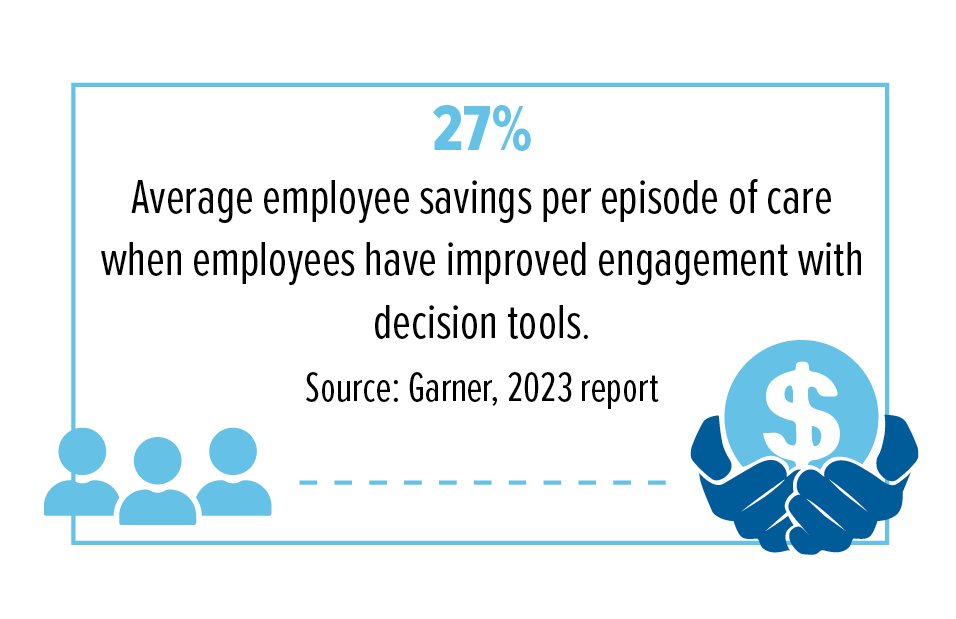
Benefits consultants do this not by collecting data themselves but instead by reading the matrix, so to speak, of the second-party brands that aggregate data from hundreds of millions of patient records and provide access to pricing and quality scores. Aggregators include GoodRx, Healthcare Bluebook, Healthjoy and Garner.
“The goal is really to educate companies. We say, ‘Hey, guys, the technology is here, it’s at your fingertips, but we’ve got to embrace the need to dig into to understand how it can impact you,’” Wilson said.





