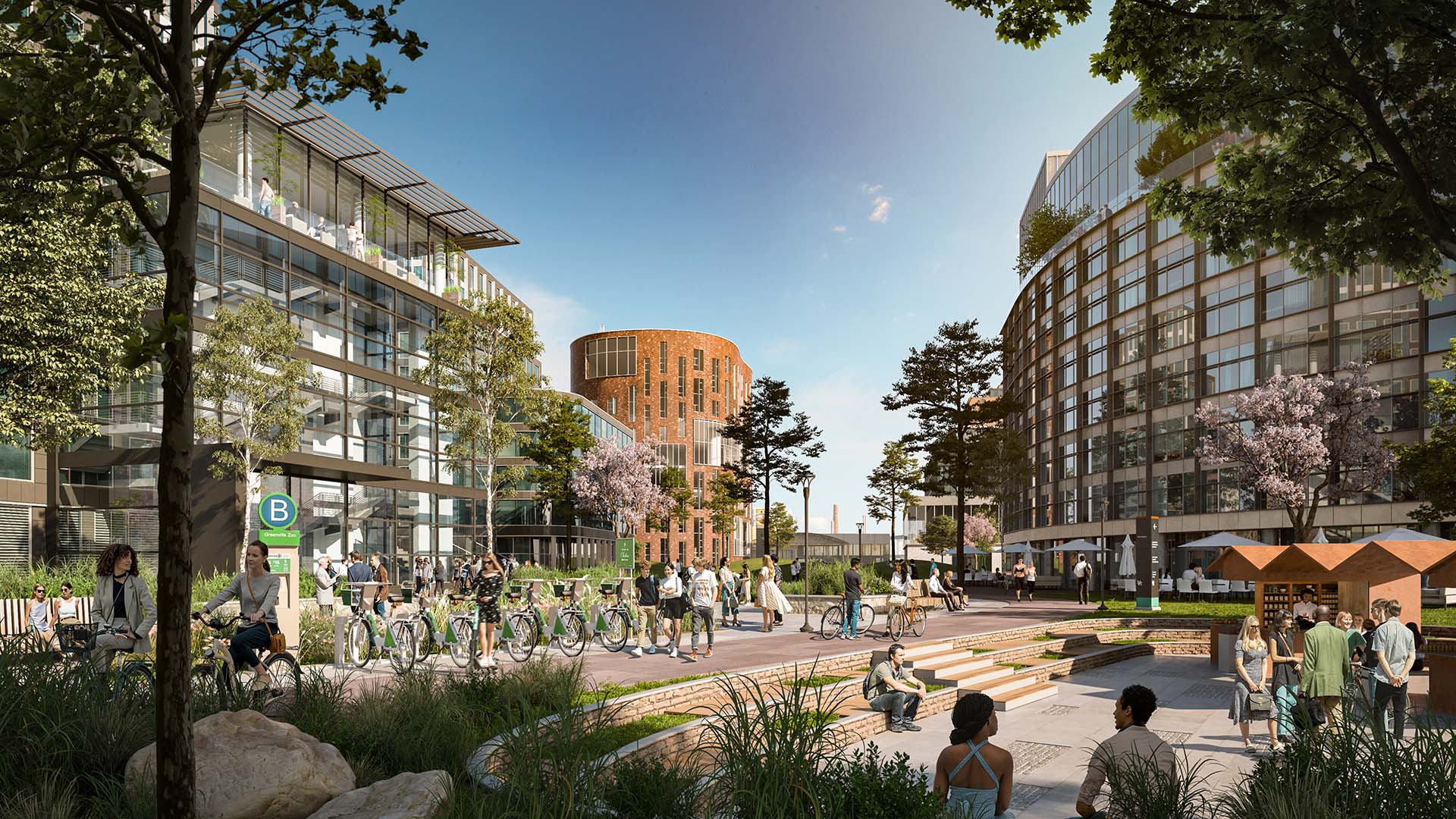
The former site of Union Bleachery will soon be transformed into a massive, mixed-use development across 240 acres on Old Buncombe Road, just a few minutes from downtown Greenville.
But before the land is occupied by garden homes and lofts, hotels and green space, retail and office buildings, restaurants and educational campuses, the land itself needs to be cleaned up.
Portions of the site have been contaminated with very high levels of chromium, a toxic chemical, since at least the early 1980s, when investigators began looking into the site’s environmental safety.
The good news for developers Warren Zinn and Dean Warhaft is that much of the site is clean, according to an analysis from the Environmental Protection Agency, and a partnership between both groups is now in the process of ensuring the remainder of the site is cleaned up.
Plans for the redevelopment
- 240 acres.
- Multi-family residences.
- 100 acres of green space.
- 10 miles of trails, including Prisma Health Swamp Rabbit Trail extension.
- Potential corporate headquarters.
- Retail.
- Restaurants.
- Hotel space.
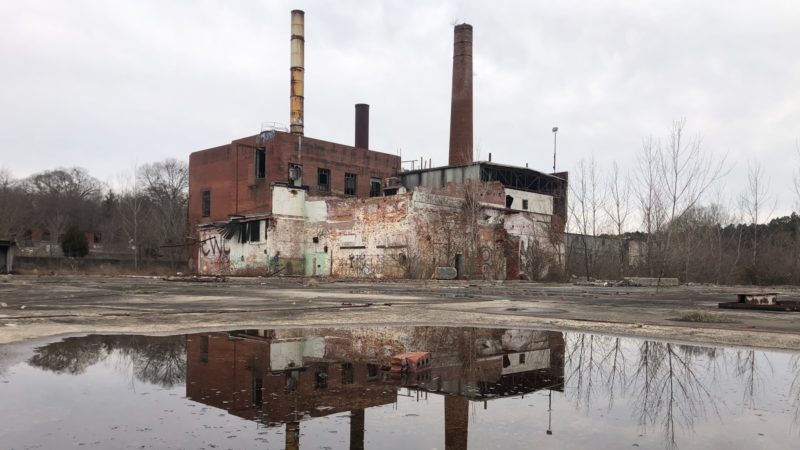
Union Bleachery is an example of a local Superfund site.
What is a Superfund site?
Superfund sites are polluted locations in the United States that require long-term response to clean up hazardous material contaminations. Established in 1980 by the Comprehensive Environmental Response, Compensations, and Liability Act, the clean-up jobs are either funded by the EPA or the party responsible for the contamination.
What’s the goal of Superfund sites?
To return sites back to productive uses in a protective manner.
Other benefits of Superfund sites?
Beyond the environmental benefits, sales generated by businesses at Superfund sites in reuse totaled $65.8 billion in 2021, nearly four times the $17.3 billion the EPA spent cleaning up these sites.
Site history
Union Bleachery was constructed in 1902 on the banks of Langston Creek.
It was a small mill specializing in bleaching, dying and finishing textiles.
Union Bleachery ran from 1902 to 1947 and went through various owners, including the Cone Mills Corp., until it was destroyed by fire in 2003.
Investigators had found contaminants in the land going back to 1982.
Clean-up will allow construction of the new On the Trail mixed-use development to begin this summer, with construction of multifamily residences beginning in the spring of 2023.