
As a $1 trillion infrastructure package languishes in Congress, electricity providers across the nation are waiting to see if funding to help improve the country’s electric grid will become a reality.
It’s a big issue, says Electric Cooperatives of South Carolina CEO Michael Couick, who tells the Upstate Business Journal that power providers and academics, alike, are aware of the way the power grid fuels economic growth.
He cites a study released earlier this year by the American Academy of Sciences, Engineering and Medicine that estimates the country will need 170% of current electrical generating capacity to meet the growing demand for energy.
The issue is that as the need for electricity increases among the manufacturing and transportation sectors for things like electric vehicles and advanced manufacturing processes, electricity supply and the infrastructure that gets it to where it’s needed will have to be improved and expanded.
“It’s going to have to be a comprehensive approach,” Couick says.
And it’s going to be expensive.
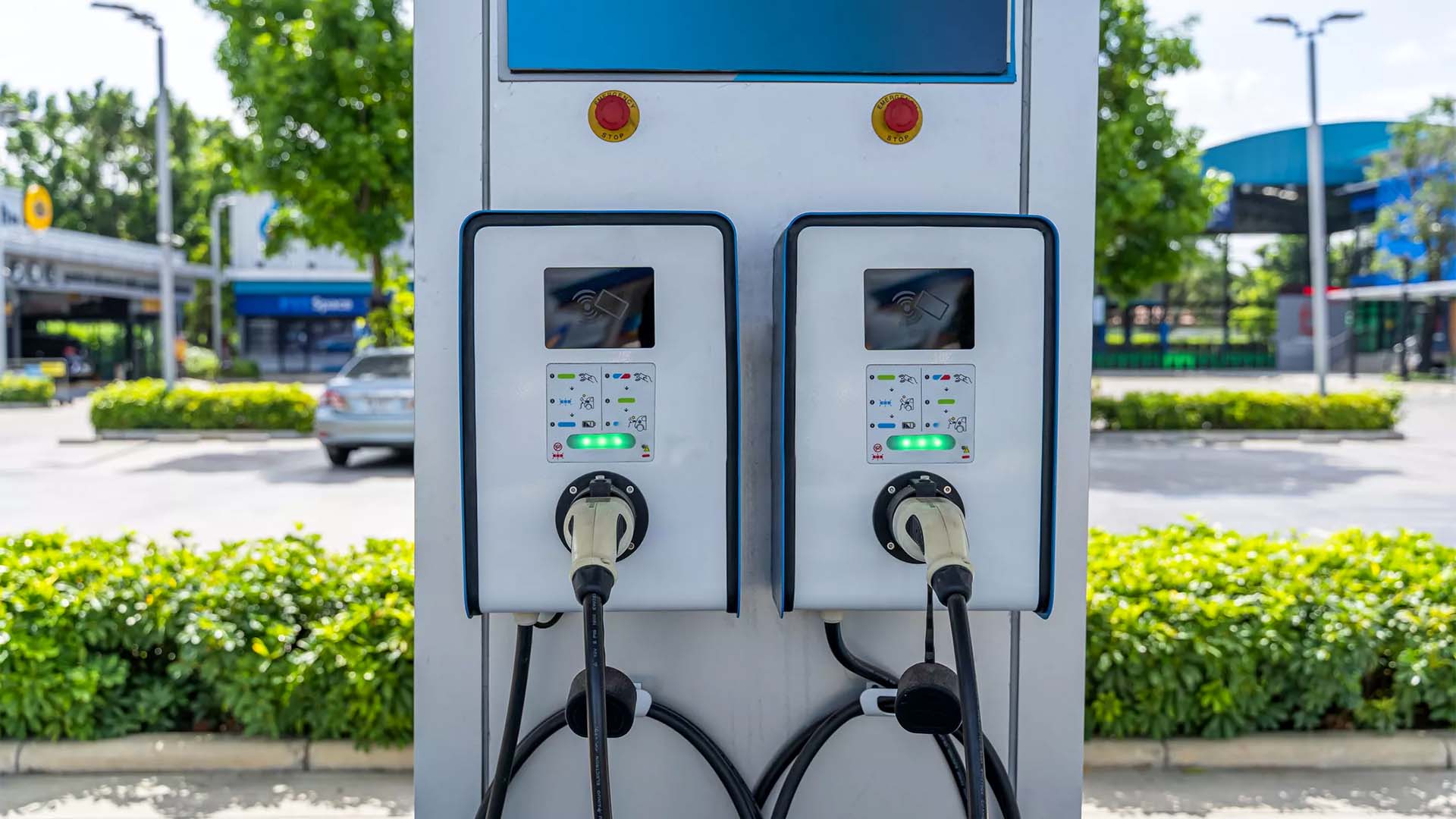
As the number of electric vehicles on the nation’s roads increase, the infrastructure to support them will have to be expanded. Rapid charging stations to meet the demand are still relatively scarce.
Couick says a fast charging unit averages $150,000, for example, meaning building a network will come at an almost-insurmountable price tag.
For the 20 consumer-owned electric cooperatives in the state serving nearly 800,000 customers, such outlays will need to be financed through public/private partnerships. Couick says that’s one reason the cooperative community is closely watching what happens with the federal infrastructure package in Congress.
But it isn’t just the co-ops.
Duke Energy is paying attention, too.
Duke spokesman Ryan Mosier says the company is hopeful new federal spending proposed for electric vehicle charging infrastructure, smart grid improvements and advanced technology, among others, will be approved.
With estimates for the cost of upgrading the nation’s electric system to a smart grid ranging anywhere from around $450 billion to $4 trillion, the nation’s legacy utility providers say they can’t tackle the problem on their own.
Despite this, Mosier says Duke Energy has made investments in “self-healing” technology throughout its system to quickly reroute power when outages occur. The technology uses advanced sensors to detect power disruptions and redirect electricity.
He says that such technology helped avoid about 300,000 outages in North and South Carolina during 2020. By 2025, he adds, Duke Energy expects to invest at least $1 billion in grid improvements including strengthening, resiliency and automation projects.
“This smart technology adds another tool to speed restorations after a major storm,” Mosier says.
Couick says the important thing is to begin investing now in modernizing the grid and expanding capacity to meet future needs.
“Done right, we’ll be able to ease into the electrification of the economy,” he says.





