Andrea Smith never thought she’d become a landlord. Since 2007, Smith has been at the helm of Senior Action, the Greenville nonprofit that has been supporting seniors for more than 50 years.
But early in the 2010s, Smith realized the organization faced a crisis.
Funding a way forward
“When I first started at Senior Action, we had 900 participants,” Smith said. “Now we have over 5,000 … but our funding streams were flat and in some cases going down. When you sit there and look at that and try to project the future, it’s not a good picture.”
Relying on an old model of funding — that is, “begging for donations,” as Smith puts it — was no longer feasible.
“We had to get creative,” she said. “We couldn’t sit back and watch this organization go away.”
The idea that Smith came up with would eventually launch Senior Action into an entirely new world of so-called “social entrepreneurship,” a buzzword that encapsulates individuals and organizations that explore business opportunities in order to have a positive impact on their community.
Unlike businesses that simply aim to project an image of good corporate stewardship or companies that offer support to philanthropic endeavors — in which philanthropy is secondary to profits — the social entrepreneur is driven solely by his or her philanthropic goals.
The examples can be small, such as non-profits purchasing parking lots and gaining additional revenue by selling spots during concerts or sporting events. Or they can be more large-scale, such as Tom’s Shoes goal to donate a pair of shoes for each one it sells.
When you are in an industry in which you cannot charge for your services, figuring out another way to gain revenue is vital.
Real estate as revenue source
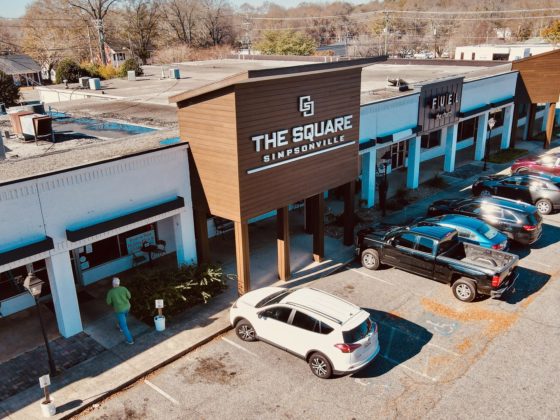
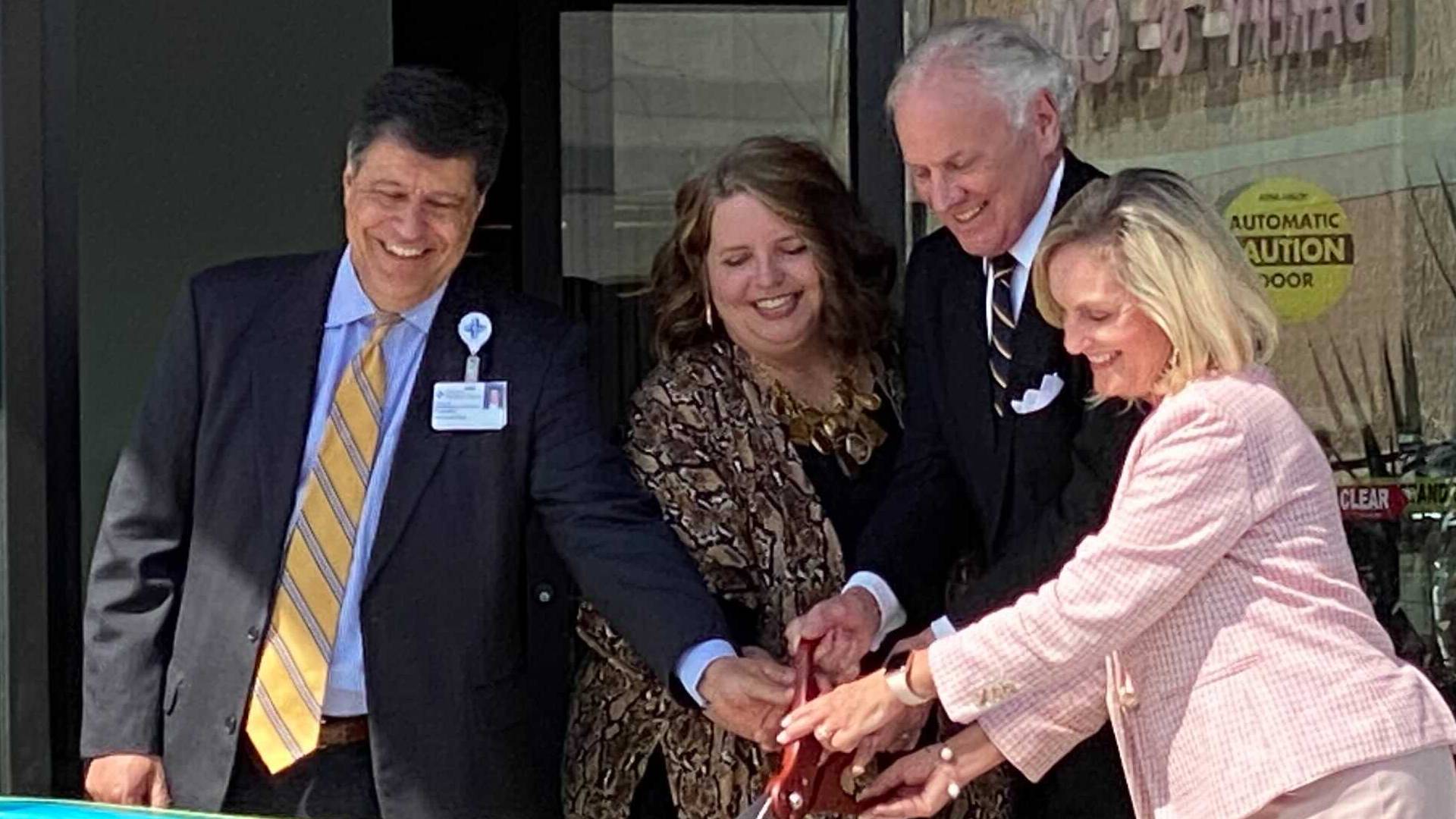
Senior Action made this pivot by purchasing and renovating the BI-LO shopping center located at East North Street and Howell Road. Purchased in 2019, the 33,000-square-foot building was a major step up from the non-profit’s former 15,000-square-foot headquarters, but that extra space didn’t come cheap.
The overall project had a price tag of roughly $7.6 million, a major risk for an organization with an annual operating budget of just around $3 million.
Senior Action programs include
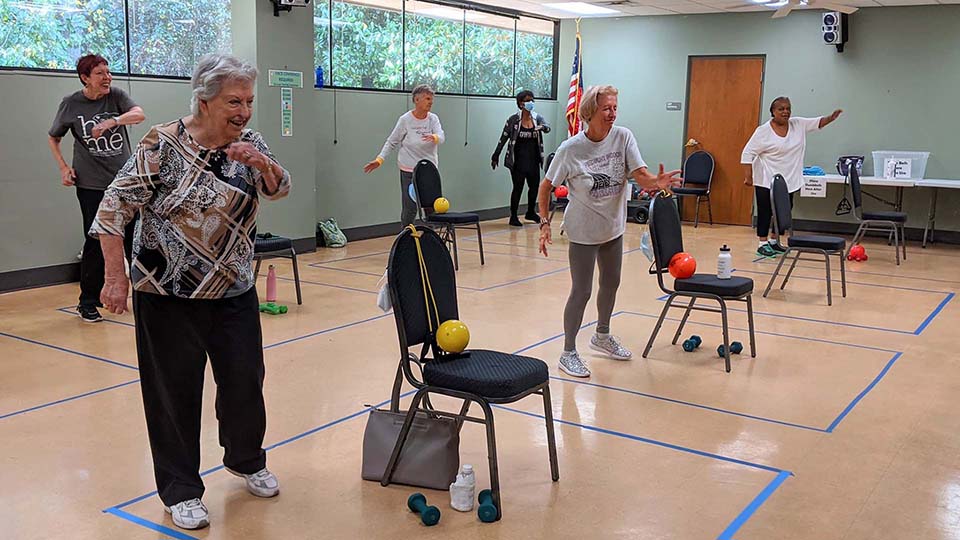
Wellness
Financial security
Lifestyle, arts, culture and travel
Outreach services
Now the organization is betting its future that the added revenue from tenants will offset mortgage and down payment costs, hopefully leaving Senior Action in the clear within the next five years or so.

But despite the entire organization relying on the success of the endeavor, coupled with the added pressure of the pandemic, Smith is undaunted in her confidence that they made the right decision.
“What we do is too important to just give up. Senior Action is one of those organizations people don’t truly miss until it’s gone. That’s not acceptable to me. We need to never be gone from this community.” -Andrea Smith, Senior Action CEO and Executive Director
“I love to tell the story of the carriage companies and how most of those companies are out of business now,” she said. “The only one still in existence is the one that started making automobiles. The point of that story is that they realized they were not in the carriage business; they were in the transportation business.”
For Smith, her business is not simply running a nonprofit. Rather, it is the business of helping healthy, active seniors, however possible. What that looks like is also drastically different from how it looked more than five decades ago when the organization was founded, especially as an influx of active retirees relocate to Greenville on a daily basis.
She’s also driven by selfish concerns.
“We’re trying to build something really for ourselves,” she said. “I really want to have a place to go when I retire, a place to make friends, do the things that I want to do. I’m, not ready to sit out and not contribute to the world, and neither are all the seniors we serve.”