
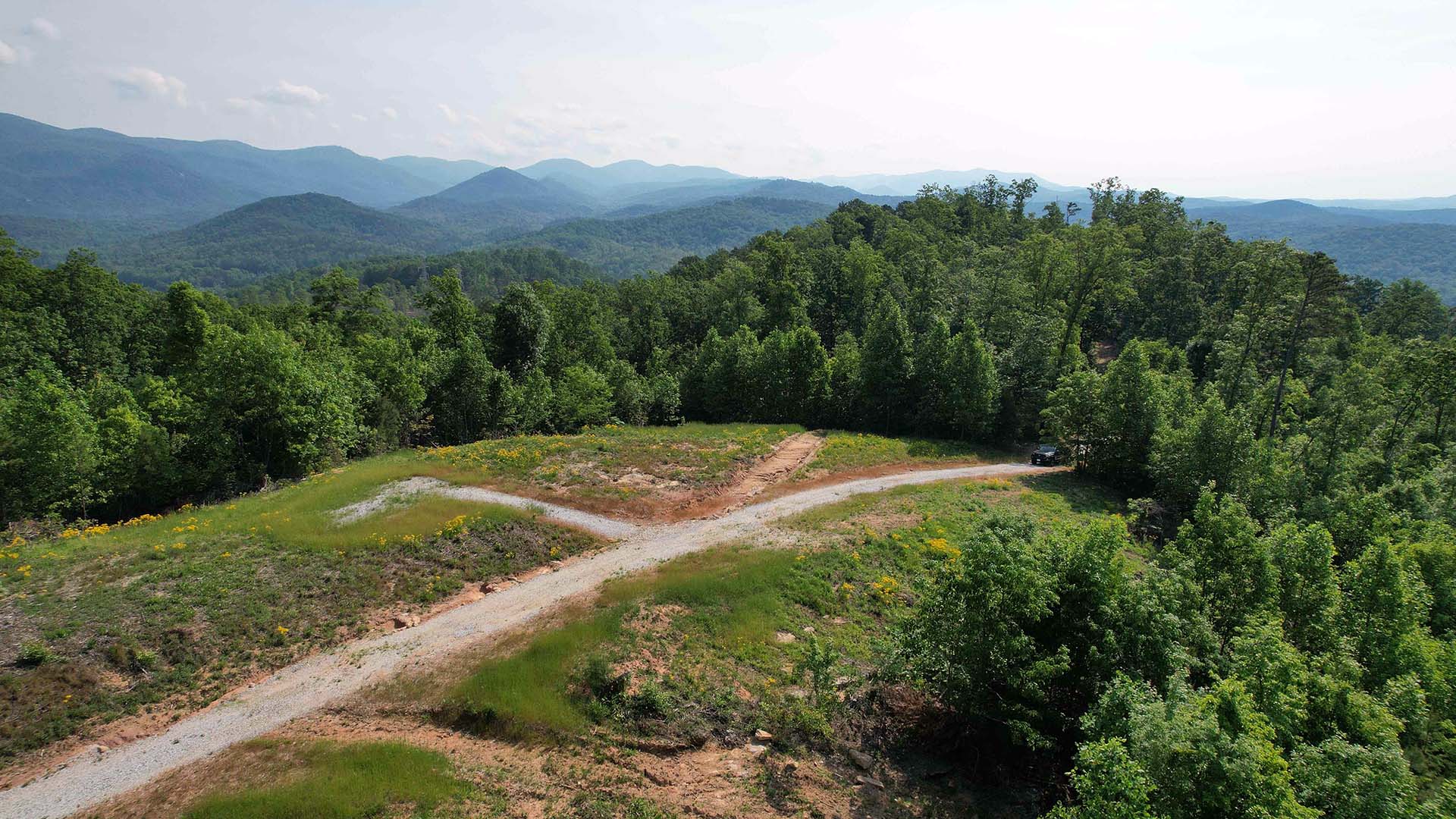
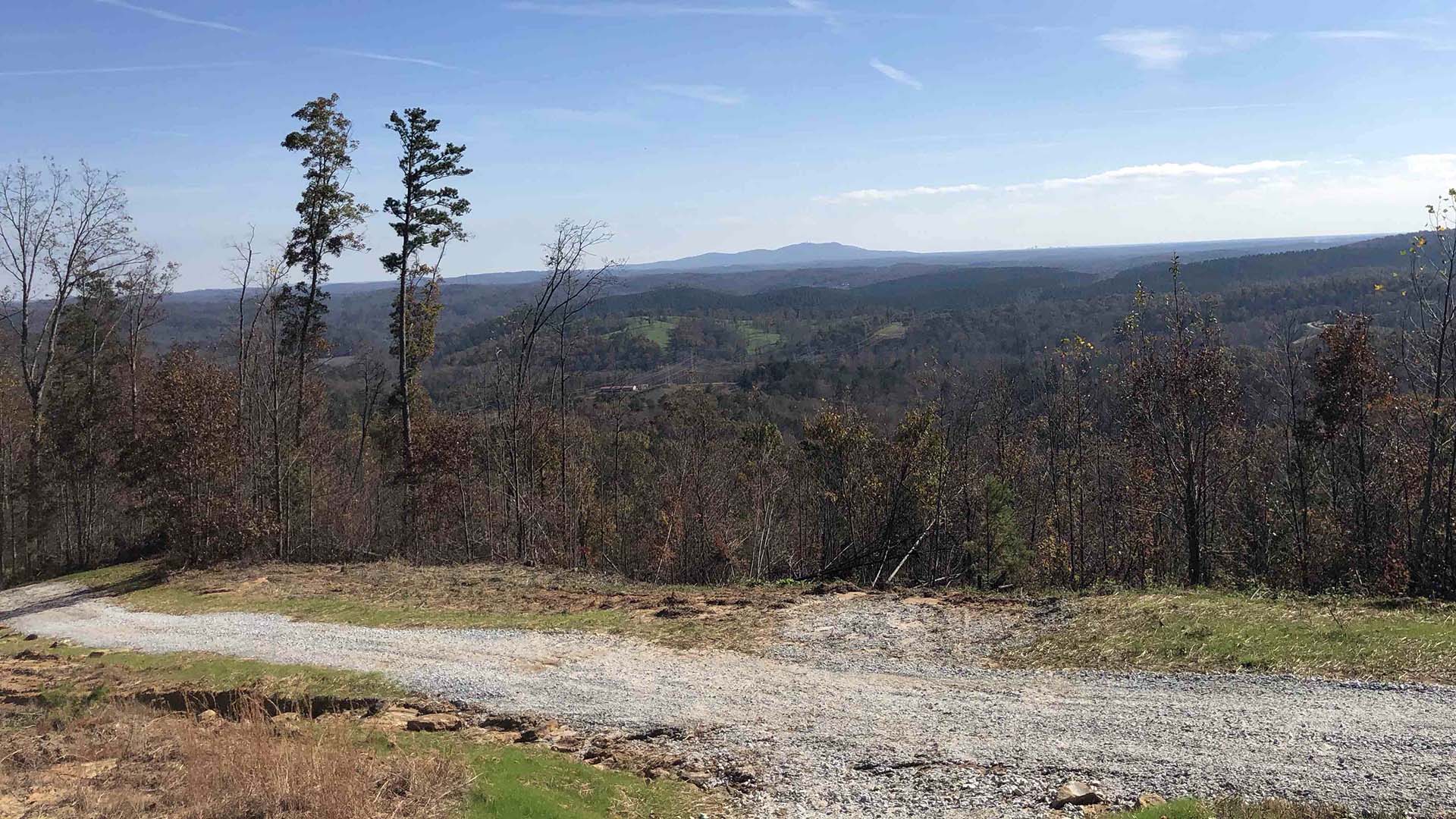
If you’re looking to take a drive, head toward Caesar’s Head Mountain, taking U.S. 276. Along the way, near the Pickens County line, look out your passenger window — in the distance, a peak rises about 1,600 feet above the gently sloping, wooded hills.
It’s the same view Bradley Smith of Cross Creek Realty sees, except for Smith, it’s more than a view. It’s an opportunity to own your own mountain.
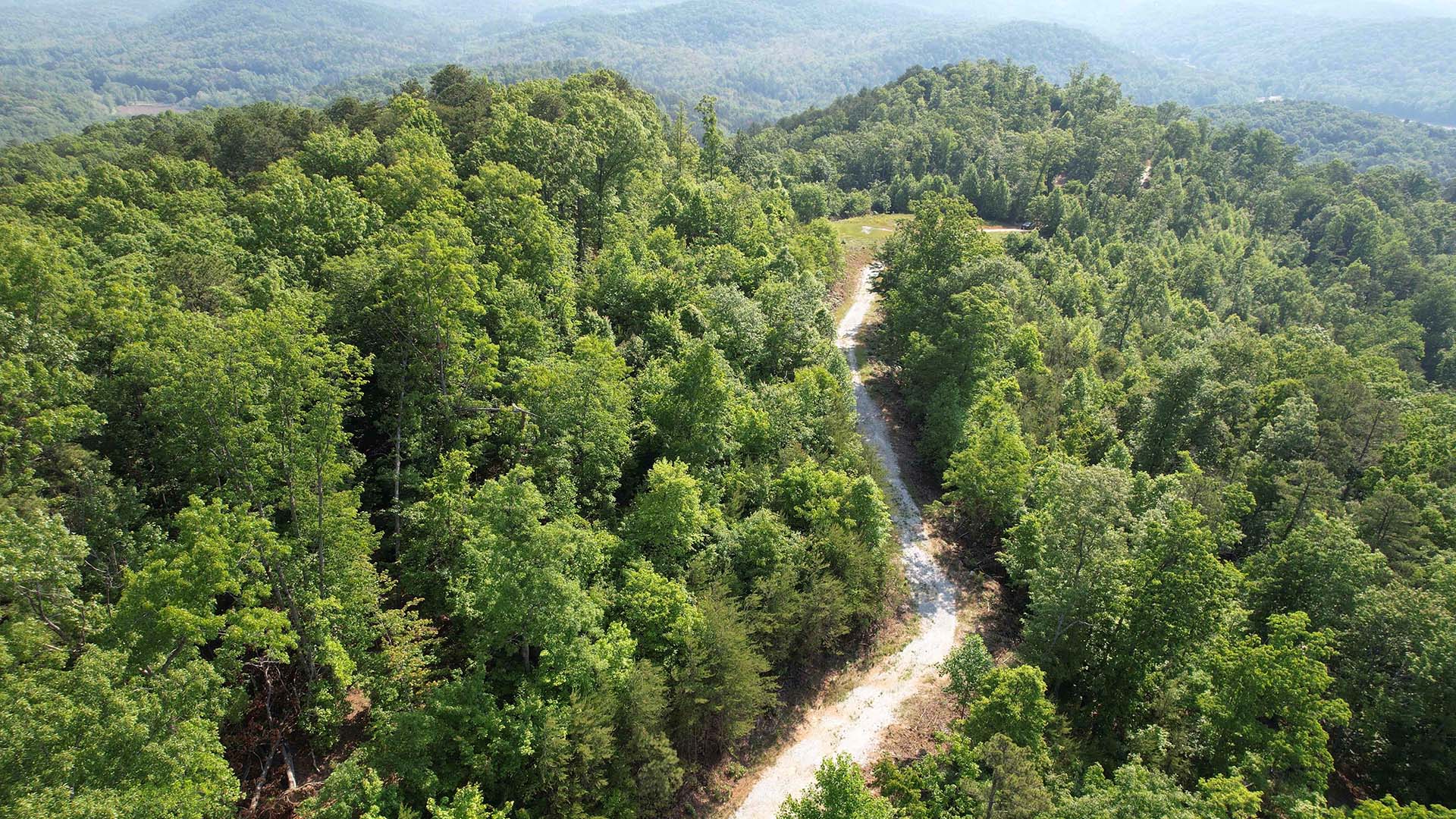
With Caeasar’s Head visible to the west and Paris Mountain to the south, the 10 acres of level, partially graded and cleared land are practically hidden in the landscape, which is exactly how Smith and property owner Joe Mott plan to keep it.
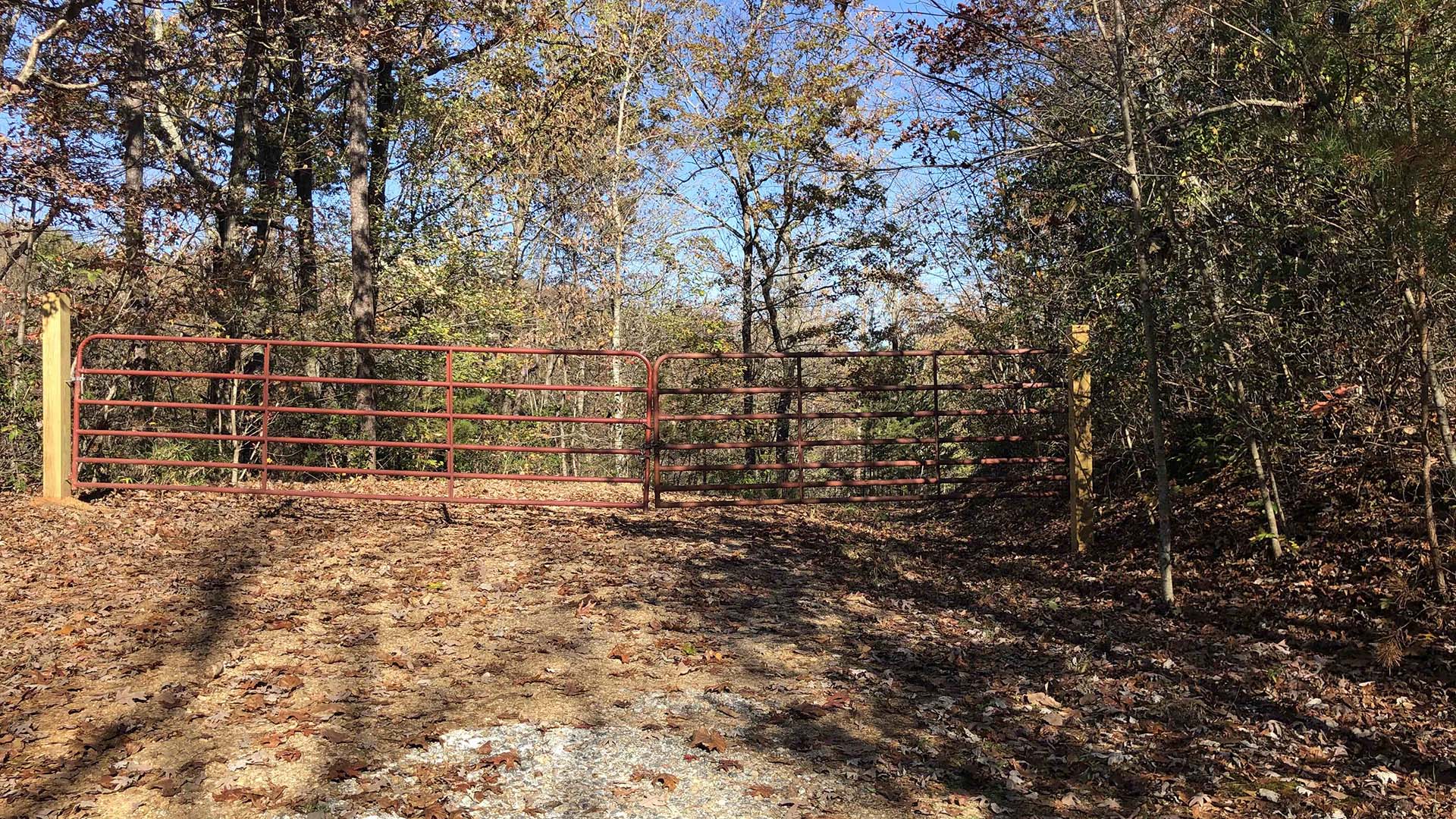
“This is basically an option to buy your own mountain,” Smith said.
Located in Cleveland, South Carolina, in the northeast corner of Greenville County, the potential development site sits just beside land preserved by the South Carolina Natural Land Trust, ensuring the natural views remain untouched.
For now, the mountaintop land is entirely potential. With the Wind River Trails snaking along the edge, the location is ideal for those looking for mountaintop retreats for weekend getaways, as well as those seeking a more isolated lifestyle — all with downtown Greenville no more than a 40-minute drive away.
Smith is seeking a developer willing to consider two options for the land, one being a mountaintop community of multiple homes, the second a plan for an exclusive estate home taking over the entire property.
“You could easily put seven or eight homes up there and everyone would have privacy,” he said. “The cool thing about it is just sitting up there, on a veranda or a deck, with a nice fire going — looking out at this view, have a glass of wine. It could truly be a showcase.”
The development is yet another sign that the Upstate is fast becoming a hideaway location of sorts for those leaving major metropolitan areas, according to Smith.
“Just look at the growth of Greenville, in general,” Smith said. “Quite honestly, we’ve got more people moving into this area for privacy that are leaving the big cities. If I can work anywhere and if I’m working from home, I also want to walk out my front door and have a good time and feel comfortable.”
So you want to buy land?
Smith offers some tips:
Know your “why”: What is your motive or objective for buying the property? Based on your answer to this question, there are several other things to be aware of and consider. If your “why” is either to live in the country or have that weekend getaway property, owning rural land can come with lots of opportunities for fun and making great memories. Knowing what to look for can make a difference in choosing the right property or getting stuck with something that will not suite your needs.
Be aware of any covenants and restrictions: Residential lots in a development typically will have covenants and restrictions that run from a prohibition against farm animals to dictating what colors you can paint your house.
Not all lenders will work with land: Do research and speak with a lender who will finance land prior to starting your search.
Higher down payments: Traditionally, down payments are higher than when financing a home.
Hidden costs: Undeveloped land typically comes with added costs few consider. For example, if you have a large pasture area, will you need a tractor to cut the grass.
Location: All that privacy might come with some sacrifices, like a longer commute or less convenience in day-to-day living, like quick access to groceries or health care.
Access: Do you have a legal way to get on property? If there is no direct road frontage, you might be dealing with an easement or right of way. If neither of these exist, you could have problems down the road (no pun intended) with having to cut through someone else’s property (trespassing) to get to yours.
Utilities:Electricity, water, power and internet access. Where is the nearest power line and what is the best route to get to the home site? If it is rural property, you’ll probably have to dig a well because public water is most likely not an option. The same is true for sewer, which means having a septic system installed. Both require some level of maintenance that the owner is responsible for. Access to cable or fiber is also probably not an option which means you are limited to satellite service providers.
Deed restrictions: This is the “skeleton in the closet.” These restrictions limit what can be done on — or with — the property. Usually, the only way to find out what these are is to have a title search done by an attorney. These restrictions, which “run with the land” and don’t change when ownership changes, are both long and expensive to modify.





