Next week, a fleet of trucks will start hauling 1.4 million tons of coal ash from Duke Energy’s W.S. Lee Steam Station plant in rural Anderson County, a $75 million effort seen as a win for environmentalist groups concerned about chemical contamination of the bordering Saluda River.
Instead of continued threats of contaminants such as mercury, cadmium and arsenic entering the nearby river, the Charlotte, N.C.-based utility company has made arrangements to move the byproduct to a landfill in Northeast Georgia, thanks to an agreement with the S.C. Department of Health and Environmental Control.
Duke Energy has said it planned to move the coal ash to a more permanent location than the unlined areas in the 696-acre site in Belton. Outcry from environmental groups Save Our Saluda and Upstate Forever, assisted by the Southern Environmental Law Center, helped to persuade Duke Energy to file plans with state regulators in December to remove the coal ash.
Duke Energy representatives held an open house at the Williamston Town Hall last week to hear from the communities near the W.S. Lee power plant site. The utility mailed invitations to roughly 6,000 people who live within a few miles of the former coal energy site.
“It’s a good thing,” said Melanie Ruhlman of Save Our Saluda, who attended the public event. “The coal ash was our top issue last year.”
Duke Energy has contracted with Waste Management to remove the ash. Trucks are expected to make about 150 trips daily, each load filled with 22.5 to 23 ton of coal ash. This phase of the project will take up to three years, said Ray Mangrum, director of remediation and construction for Waste Management.
At the open house, Mangrum stood where heavy equipment will begin loading the ash for removal and described the precautions Duke will take to prevent coal ash flying out of trucks en route to the Georgia landfill. The process includes adding a liquid mix to the ash, keeping it from spreading during transport.
“It will be a very clean operation,” Mangrum said. The company will monitor air quality both upwind and downwind about a dozen times an hour, he said. If tests show too much ash in the air, hauling will delay until the ash dust settles.
Local resident James McCuan, 85, toured the power plant when it opened in 1951 and waited at the Williamston Town Hall last week with others to take a shuttle bus to view the ash removal site. The pending large-scale operation has created new worries from nearby residents.
“I’m concerned about them keeping it quiet and all of that coal ash,” McCuan said.
In letters mailed to area residents, Duke Energy stated that truck routes balanced safety with cost and impact to people in the area.
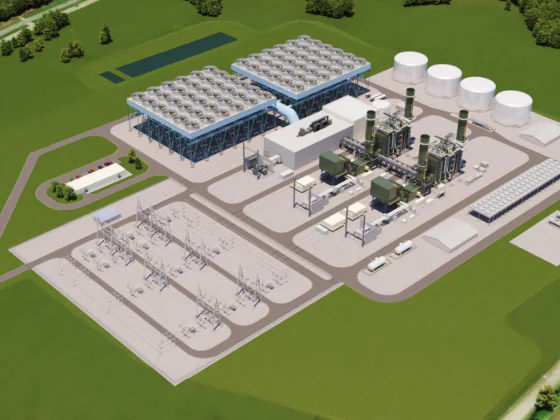
Along with coal ash removal, Duke Energy continues to dismantle two of the three former coal-producing units at the Anderson County site. One unit was converted to natural gas production. Also on the site, the company plans to begin construction this summer on a 750-megawatt natural gas-fired combined cycle facility, set to open in late 2017.
This multi-year phase of coal ash removal plan will still leave about 61 percent of the ash at the site. Erin Culbert, a Duke Energy spokeswoman, said no set plan exists yet for the rest of the coal ash; however, options include creating a lined landfill on the site in compliance with federal and state regulations.
Updates on the ash removal and other projects are available at duke-energy.com/wslee.