Team owner Fred Festa has committed to five more years to make hockey succeed in the Upstate
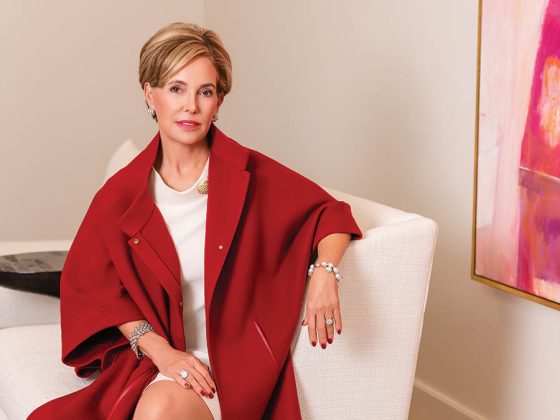
Fred Festa, president and CEO of Maryland-based W.R. Grace & Co., purchased the ECHL Greenville Road Warriors hockey team in 2012 and was in the Upstate last week to announce that the team extended its contract for another five years with the Bon Secours Wellness Center.
A former financial manager with General Electric, Festa took over as CEO of Grace in 2005 in the midst of reorganization after a Chapter 11 filing. The company produces chemicals, building materials, catalysts and packaging materials. Since Festa took the helm, the company has settled claims related to asbestos exposure and one of the largest asbestos-related environmental cleanup lawsuits in the U.S.
Grace emerged from bankruptcy in early 2014 after 13 years and announced in February that it will split into two separate companies. As of December 2014, the company reported $3.2 billion in sales.
Original Road Warriors owners Neil Smith and Steven Posner sold the team to Festa, citing diminishing attendance and financial losses. Festa sat down with UBJ last week to talk about his experience as team owner and what’s next for minor league hockey in the Upstate.

Why does Greenville need a hockey team?
I don’t know if Greenville needs a hockey team, but Greenville deserves a hockey team. Where else are you going to have a diverse entertainment base? When you look at indoor football or indoor soccer, the volatility is much higher than minor league hockey. Relocation experts drive by the arena when people ask, “What are we going to do for entertainment?” From running a company, I know how hard it is to attract, retain and motivate employees, and you’ve got to capture the family.
Has attendance been what you were expecting since you first bought the team?
Candidly, it’s been below what I’ve expected. We deserve to be at the league average, 4,500 folks per game; we’re at 3,500. It’s gotta work its way up. We’ve had some games with 7,300 in attendance. The league has worked with us on our schedule so we’re not competing as heavily with high school or college football. At the minor league level, we’d love everyone to follow us, but we’re looking to create an entertainment value that will attract people, whether they come to five games a year or 20 games a year. I think we’ve done that.

What can increase interest?
We need corporate partnership support. We’ve issued a corporate challenge to the top 100 companies in employee base to purchase season tickets and give them out to their employees. Once they come, we think they’ll come back.
Has the community involvement paid off?
To the degree in the numbers, it hasn’t shown it. I think we’ve got some momentum. The old owners were in for two years; they were getting out after 18 months. We were in for three years. There may be a little bit of wait-and-see. We’re here for another five years. This should take out any of the uncertainty that we’re not here to stay.

In 2012, you mentioned seeking to invest in other minor league teams. Have you done that?
I’ve looked at a couple – hockey and a baseball team. With the realignment of minor league hockey, we’ll get more in the conference. We’ve got work to do here. I’d love to see us put a rink down here. One sheet of ice is not enough. If someone were willing to want to do that in a public-private partnership, I’d be willing to do that.
When you purchased the team, you had said that you were willing to spend $1 million on the team. Has that happened?
I’ve done more than that. The investment has been larger than I thought, which is fine. [Festa would not disclose the specific total investment.]

How have you shaped the team since its purchase?
My mark on it has been to operate ethically and right out front. That’s how I do business. You see it too often in minor sports leagues that a person tries to cut a corner here or there because the budgets are very tight. Fortunately, we’re in a little different position than that.
How has your corporate experience influenced how you approach this investment?
I am metric-driven: Forward-looking as well as past and putting it into data. That’s something that they weren’t used to. I have to be careful, though, because I’m dealing with people [at the arena] who are wearing 10 hats. I’m used to dealing with corporate staff. But I am trying to put some of that discipline and rigor around the process. I think it has paid us benefits.
What has surprised you about your experience owning the Road Warriors?
 I thought that we would have more success with the fan base and community because I believed that the Grrowl did that. … I naively thought that would transfer much quicker. I still believe that it will. The demographics of this area support this type of team or even a larger team. I should have realized a lot sooner that the partnership between an arena and a team has got to be very close. I believe it will be like that going forward.
Do you think the Road Warriors will cultivate a fan base like the Greenville Drive?
I do. The baseball team for the first few years wasn’t spectacular from that standpoint [attendance], and now I think it’s got a home. I do think it takes time.
How often do you get to watch your team?
Not often enough. We try to come down for a weekend and go to the whole weekend series. Last year during the playoffs I came a lot. Hopefully, we’ll make a nice long run in the playoffs.