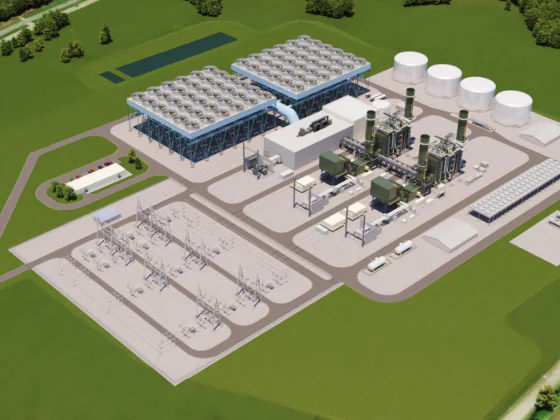
Revised strategy calls for two smaller natural gas units in Asheville
Duke Energy said Wednesday it will scrap plans for a new substation in Campobello and a controversial 45-mile transmission line that would have cut through the mountains in the Upstate and western North Carolina.
Duke’s new plan calls for building smaller gas units at its Asheville plant that Duke says will negate the need for the new transmission line and substation.
The announcement is a victory for the thousands of Upstate residents who protested the original plan, saying the new line would do irreparable harm to environmentally sensitive areas, tourism and property values.
But Frank Holleman, president of Naturaland Trust, said while the decision is a “great victory,” residents must stay ever vigilant to protect the Blue Ridge Mountains.
“Duke is a monopoly and always has its eye on the bottom line,” he said. “Sometimes the decisions Duke makes to increase profits will be dangerous to our community.”
Duke Energy originally proposed to build a new 650-megawatt power plant, substation and 45-foot transmission line to meet the growing demand for electricity in the Asheville region. The utility said electricity use has more than doubled around the Asheville area during the past four decades, and peak demand has increased nearly four-fold.
Duke’s system is especially taxed in extreme cold weather. Duke said peak demand during the winters of 2014 and 2015 was 30 percent higher than in 2013.
[break]
Duke’s new plan
– Retire coal units at its Asheville Power Plant by 2020
– Build two 280-megawatt natural gas units at the Asheville site in 2023 or later
– No substation in CampobelloNo 45-mile Foothills Transmission line from Campobello through the Upstate and Western North Carolina to the Asheville site
[/break]
The utility said over the next decade, population and business growth is expected to increase overall power demand in nine Western North Carolina counties by more than 15 percent.
Duke’s revised plan calls for construction of two 280-megawatt natural gas combined-cycle units at its Asheville Power Plant site by 2020, with construction of an optional simple-cycle 190-megawatt unit in 2023 or later if needed.
Duke said it would work with customers to reduce peak demand through energy efficiency, voluntary cutbacks during peak times and renewable energy. The new plan calls for construction of a utility-scale solar power plant at the Asheville site.
“While the previous plan was more robust and scaled for the longer term, the new plan balances the concerns raised by the community and the very real need for more electricity to serve this growing region,” said Lloyd Yates, Duke’s executive vice president for market solutions and president of the Carolinas region.
Duke’s original proposal created a firestorm of protest. In August, more than 800 opponents attended a South Carolina Public Service Commission public hearing, a rare occurrence because Duke hadn’t formally filed its plan to the agency.
Duke received more than 9,000 comments on its original plan.
Holleman said Duke’s reversal shows “the people of our region are determined to protect our mountains.” He said area residents could help do that by installing solar systems.
“There’s a need for Duke and other utilities to embrace new, clean, modern technologies to meet energy demands” instead of relying on natural gas and coal that results in fracking and mountain top removal, he said.
“Duke is still continuing to tie its future and our future to fossil fuels,” Holleman said.