

Nobody likes to be treated like a number. And we especially don’t want our loved ones treated that way. So when someone important to us is diagnosed with a medical issue, we want the medical professionals helping them to treat them like family and, above all else, like individuals.
Unfortunately, that doesn’t always happen. When someone is diagnosed with dementia or Alzheimer’s disease and has to go to a memory care facility, for example, it’s possible they’ll be treated like just another patient instead of our beloved mother, father, or grandparent.
There’s at least one standalone memory care facility, however, that takes a more individualized approach, making sure each resident is treated like a unique person with their own interests, hobbies and preferences: Hilltop of Greenville, an Upstate memory care community.
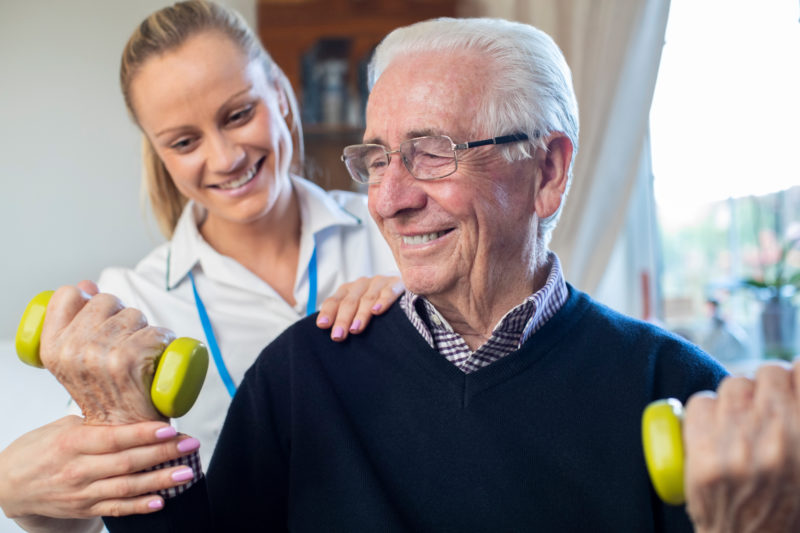
“We train our staff to look at our residents as individuals, not just ‘patients,’” says Nick Jasmon of American Healthcare Management Group LP, the company that manages Hilltop Of Greenville. “We want to make sure that they have all of the dignity that they’ve had for their entire life and that they can still be that same person. We want our staff to understand who these residents are as people. So if that means that they served in World War II and they loved birdwatching or if they used to be a woodworker, we want our staff to know all of those things so we can use that as part of their care, and we can create activities for them.”
That doesn’t just help the residents at Hilltop of Greenville, it helps their families, too.
“It helps us take them through the journey of making this decision,” Jasmon says. “It reminds them of all the good stuff about their parent or grandparent. A lot of times when they’re moving into our building, they’ve lost that feeling that this is my Mom or Dad or Grandma or Grandpa. And having them kind of walk through that with us so that we can learn is a fun exercise for them because they can remember all of the good things.”
Jasmon says when a new staff member is hired at Hilltop, they immediately are taught that the residents are to be treated with compassion and positivity.
“We have a ‘Just Say Yes’ policy,” he says. “Every staff member — whether it’s the executive director or the housekeeper — is aware of it. If a resident asks for something, we just say yes. We will find a way to say yes and get that for them.”
And in the end, that approach helps both the residents and the people taking care of them.
“If staff members are able to form a connection with these residents, not only is the care going to get better, but their job enjoyment is going to increase,” Jasmon says. “I think what we do helps make the job a little bit easier.”







