
For anyone working in supply chain, the past year has been one for the books. For those attending the Global Upstate Conference in Greenville, attendees heard some of the biggest challenges affecting transportation and logistics.
Ports and trucking are vital
Marion Bull, manager of business development for South Carolina Ports Authority, said S.C. ports handle $32.8 billion worth of products affecting 116,000 jobs in the Upstate. S.C. ports are the eighth-largest port system in the country, but one that easily has the fastest growth at 6.6% over the past year.
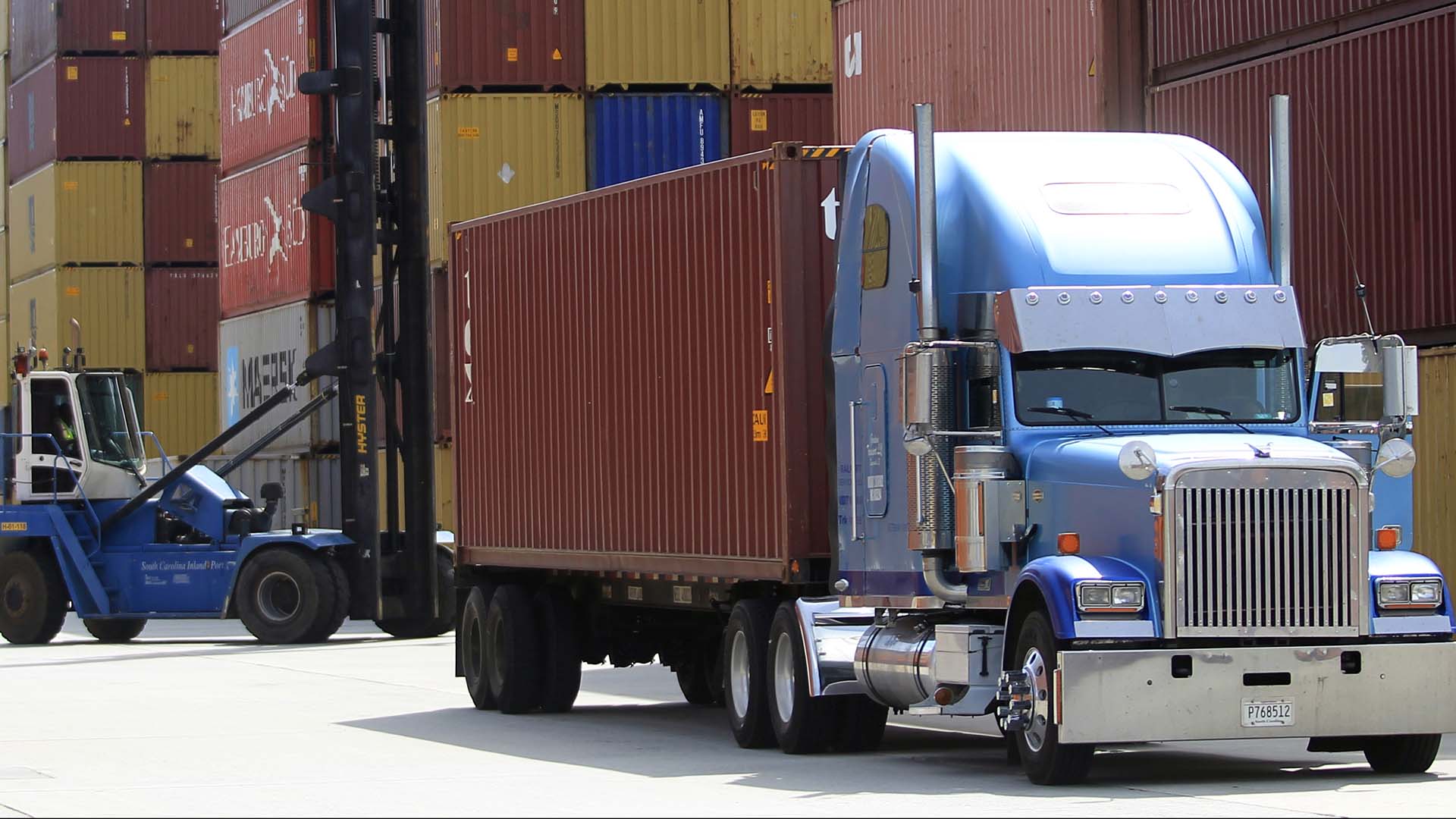
The trucking industry is a vital artery moving goods from ports to distribution centers. In fact, it’s one of the fastest-growing industry’s in the country, Rick Todd, president and CEO of South Carolina Trucking Association, said. As a result, driver shortage has been one of the biggest concerns, along with rising fuel costs and what will eventually replace diesel-powered vehicles.
“The truck driver is more appreciated now than ever,” Todd said. “He who has the drivers wins.” Todd told the audience he never thought he’d see the oceans become a parking lot, but without enough drivers, it’s been a struggle just to load and unload shipping containers from ocean vessels.
“Containers are dwelling on our terminals three times longer,” Bull said.
The trucking industry is looking to become more energy efficient, which will come from electric, compressed natural gas or hydrogen fuel vehicles. Bull said he sees automated vehicles a long way off. Instead, he sees technology being more of an aide to the driver, with 360-degree cameras making aspects of the job much safer.

Supply chain taking flight
Steve Van Beek, head of North American aviation for Steer, said some product transportation has gone to the air. While COVID-19 shutdowns were an existential threat, Van Beek lauded the government for its intervention and stimulus for airline companies. Van Beek said the U.S. airline industry fared far better than many other industrial countries.
Much like the trucking industry, Van Beek said the airline industry has faced its own lack of pilots. Moreover, the unpredictability of fuel prices has been almost as bad as persistently high prices, he said. Still, he sees things slowly coming back to normal. He sees GSP Airport travel picking up and anticipates airlines recovering by 2023.

Railway is most efficient
Brian Gwin, industrial development manager for Norfolk Southern Corp., said rail is one of the most fuel-efficient, low-carbon ways to transport goods, especially compared with trucking. While rail companies have been hit by the Great Resignation, they’ve bounced back by offering increased pay and better benefits — and stressing employees pay no Social Security tax, he told conference attendees.
He said he was able to sell businesses on the low carbon footprint of rail when it comes to moving product around the state. Norfolk Southern Corp. has partnered with state ports, helping meet five-year goals in just three years, he said.
While many might not see rail as the wave of the future, Gwin said there’s a tremendous amount of tech integrated into today’s trains, making for better efficiency.
“A lot of investment is going into train technology,” he said.
Ports statistics
- $63.4 billion in economic impact
- One-day rail to Inland Port Greer
- 100 foreign ports served directly