Harold McCord gets stuck. A lot. Like, 624 times.
Yes, he has kept count of the number of times he’s felt a needlestick as a blood donor over the last 40 years. Were it not for surgery a month or so ago, he’d be giving now, but he plans to return to The Blood Connection, as he typically does every other Tuesday, as soon as he’s cleared.
McCord, 74, is among thousands of donors who provide life-saving blood, plasma, platelets and the like to the Greenville-based operation, which this year celebrates its 60th anniversary.
“It’s just the thought of helping people,” says McCord, who retired in 2017 after 32 years at Michelin and as a sergeant major in the Army National Guard after 38 years. “Let’s just say I’m not a multimillionaire, so I can’t give them money and that wouldn’t help them — they don’t need money when they need platelets.”
“They” refers to people with hemophilia and leukemia patients, among others, who specifically need platelets, a type of cell found in the blood that helps with clotting.
In the early 1960s, only one type of blood donation and distribution method existed in the Upstate: hospitals banked their own supplies from recruited volunteers.
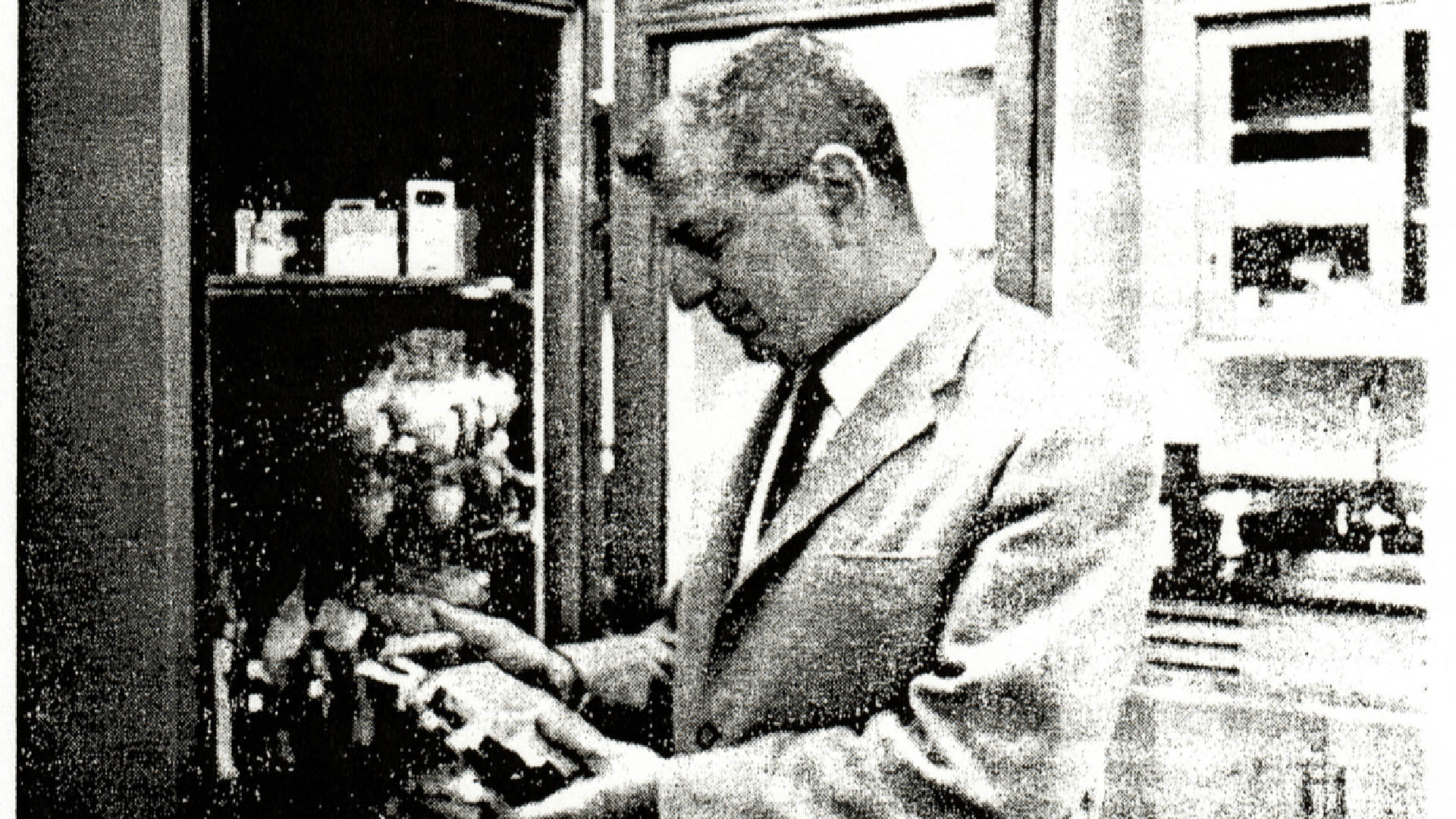
In 1962, Dr. E. Arthur “Art” Dreskin launched what became known as the Greenville Blood Assurance Plan, which he served for 40 years. He died in 2006, six years after the organization was renamed The Blood Connection, which, since 1978, had been known as Carolina Blood Center, then Carolina-Georgia Blood Center.
Delisa English, TBC’s president and CEO since 2013, says the name may have changed, along with medical technology, but giving away one’s actual lifeblood hasn’t.
“Blood donation can only come from one human being to another; it cannot be manufactured,” she says, adding, “It’s such a personal thing for people to express their support of their community by giving a blood donation.”
The ever-expanding Blood Connection is all about community, says J. Scott Pietrus, a board member since 2005. With a $70 million annual operating budget, TBC employs some 700 people who serve 13 collection centers and 50 bloodmobiles in South Carolina, North Carolina and Georgia.
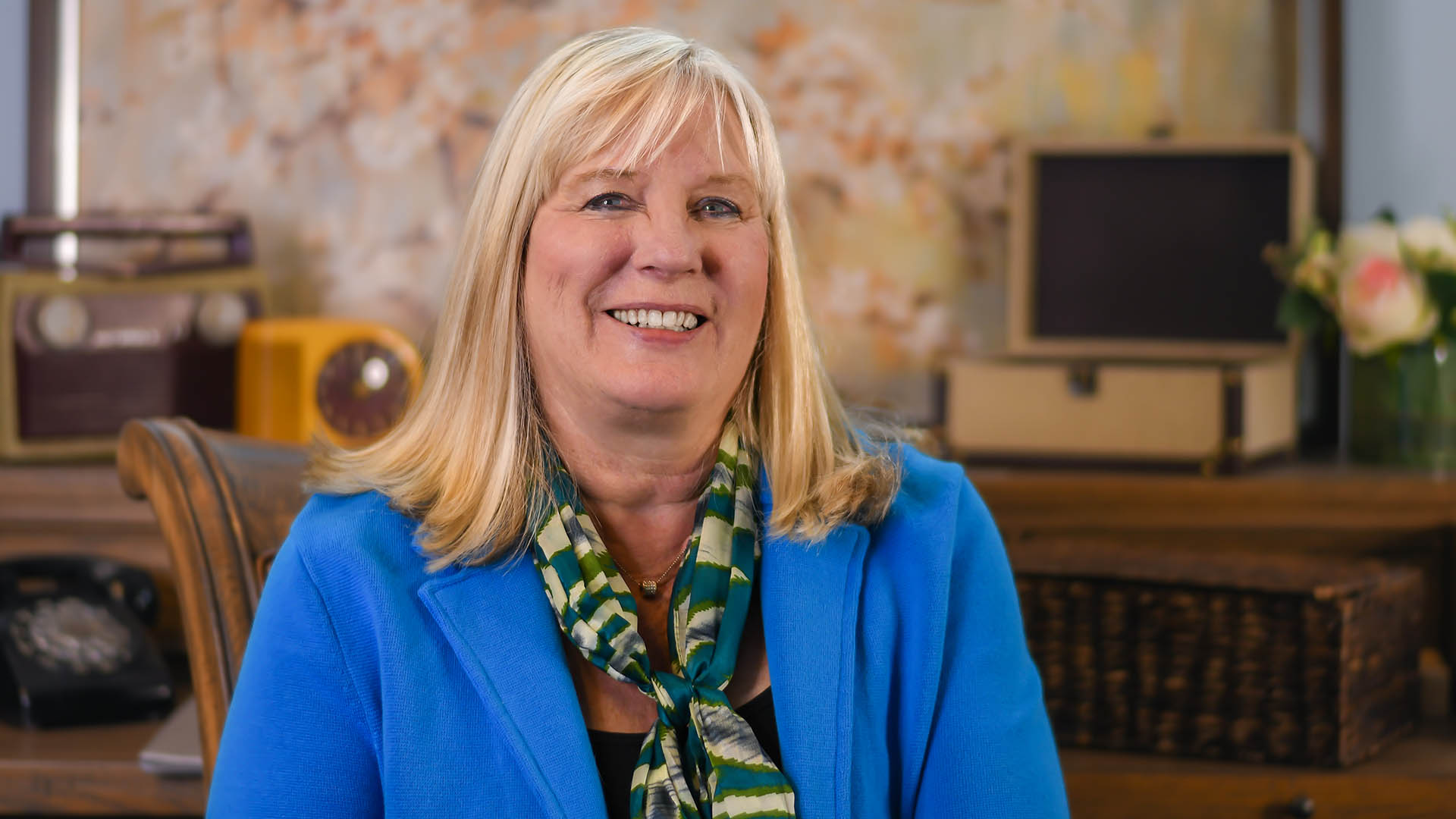
“It’s gone from a homegrown company to a regional, national and international blood and biologics company that is serving millions of patients now but serving with the same spirit and mission and intent that they did when they started,” says Pietras, who also serves as compliance officer at Prisma Health-Upstate.
For English, that spirit is personal. In 2006, her brother-in-law, Mike Getts, passed away when he was 55 from a rare melanoma, but not before donations of platelets and red blood cells extended his life long enough to see his daughter, Rebecca, then 23, get married.
Her story, she says, illustrates how all those anonymous donations go far beyond the patients — even while almost all of the blood collected here stays here.
“That’s what makes it so special,” she says. “You’re giving of yourself and you don’t know for sure where it goes, but you know you’re helping your fellow citizens, you’re helping somebody in need, and it’s not just that person who gets that blood transfusion; it’s their family hoping that their brother-in-law will walk his daughter down the aisle.”
As for the next 60 years, Pietras says the 12-member board continues to work on strategic expansions into more communities, where TBC collected nearly a quarter-million blood donations last year.
“For the next 60 years,” he says, The Blood Connection plans to continue assuring “that we’re going to meet the needs of the health and healing of their communities.”
Bloodlines
1962: The Greenville Blood Assurance Plan was formed to help supply the needs of Greenville County by recruiting volunteer blood donors for hospitals.
1978: The first name of the blood center, Carolina Blood Center, reflected the service area at that time.
1981: Name changed to Carolina-Georgia Blood Center, again reflecting expansion.
1983: Groundbreaking ceremony for a one-story, 14,280-square-foot donation site and headquarters, on 2.3 acres off Grove Road, Greenville.
2000: The organization is renamed The Blood Connection.
2005: Construction begins on new headquarters and biologics processing center, completed the following year.
March 2010: Grand opening of Greenville Donation Center on Woodruff Road, where construction had begun in 2008.
2012: TBC opens the Spartanburg, Easley, Seneca and Greenwood donation centers.
2014: TBC expands into western North Carolina, opening a center in Hendersonville. The Asheville center opens in 2018.
2017: TBC expands into the Raleigh and eastern North Carolina areas.
2019: TBC expands into the Lowcountry with a Charleston site.
2021: TBC collects 242,693 blood donations.
2022: TBC now has 13 donation centers and around 50 bloodmobiles; new sites include Florence and Myrtle Beach, South Carolina, and Savannah, Georgia.
Source: The Blood Connection
To find a location to donate blood, visit thebloodconnection.org/donate or call (864) 255-5000. The Blood Connection has blood drives every day and its centers are open every day. Most of TBC’s blood donations are tested and processed at the same site as the organization’s headquarters, 1099 Bracken Road in Piedmont, near Donaldson Center.