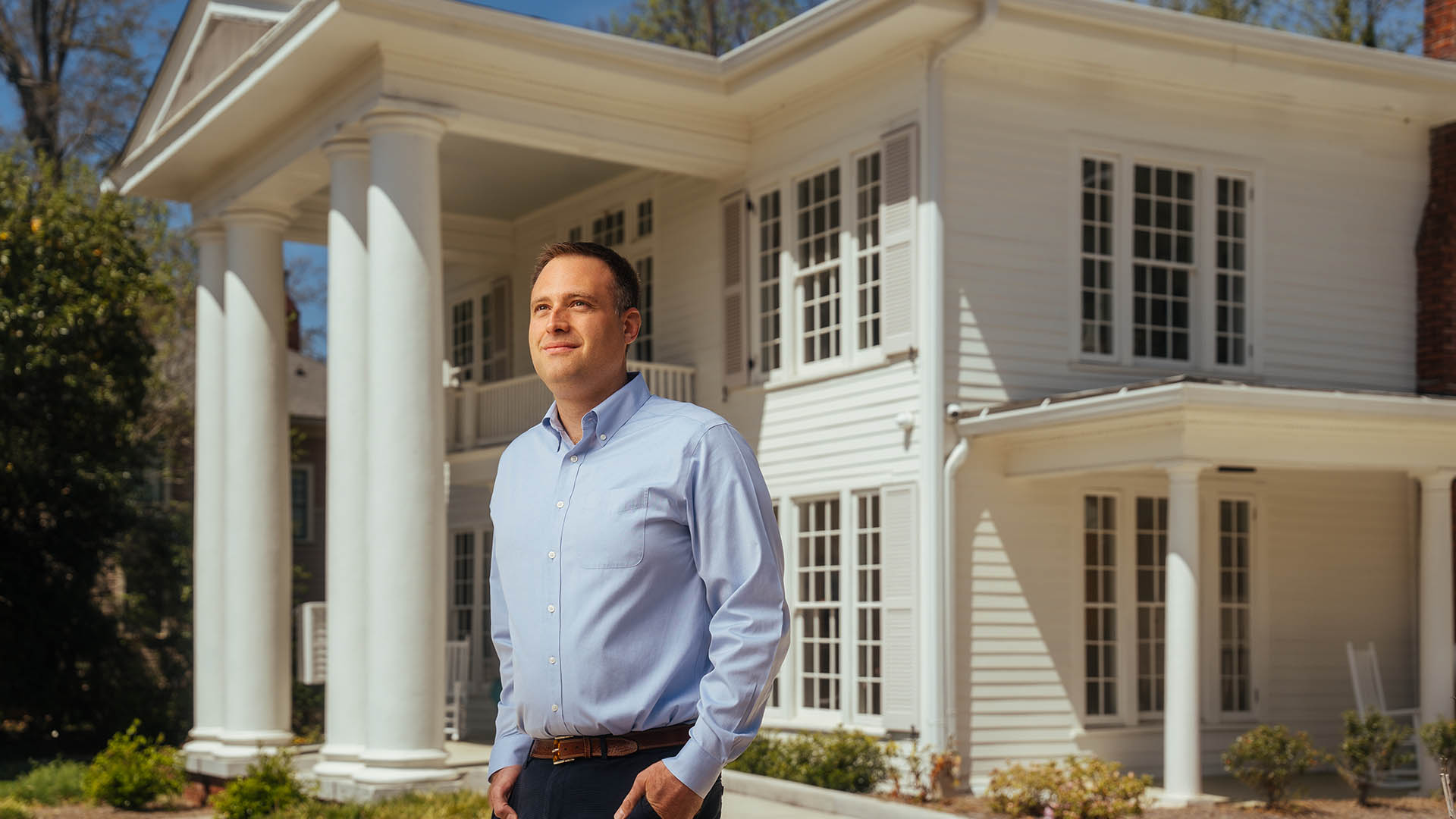
It takes a certain eye to see the potential of a historic building that has fallen into disrepair.
Kurt Wallenborn, owner of Franklin Real Estate Development, describes it as the gut feeling he relies on when searching for new projects in Greenville. This intuition led him to restore two buildings into unique office spaces that integrate historic and modern design elements.
Wallenborn purchased his first historic building to rehabilitate in 2021, two years after starting his real estate development company. The building was the former McBride Office Supply on Wade Hampton Boulevard, constructed in 1962.
The building was in rough condition when Wallenborn first saw it. Another buyer may have torn it down, but Wallenborn liked its mid-century modern architectural style. He spent months restoring the structure into an executive office building called Prosper.
“There’s not a lot of mid-century modern left here in Greenville. There’s some cool houses but there’s not a lot of commercial left here,” Wallenborn said. “I thought this was worth preserving for the next generation.”
Financial tools
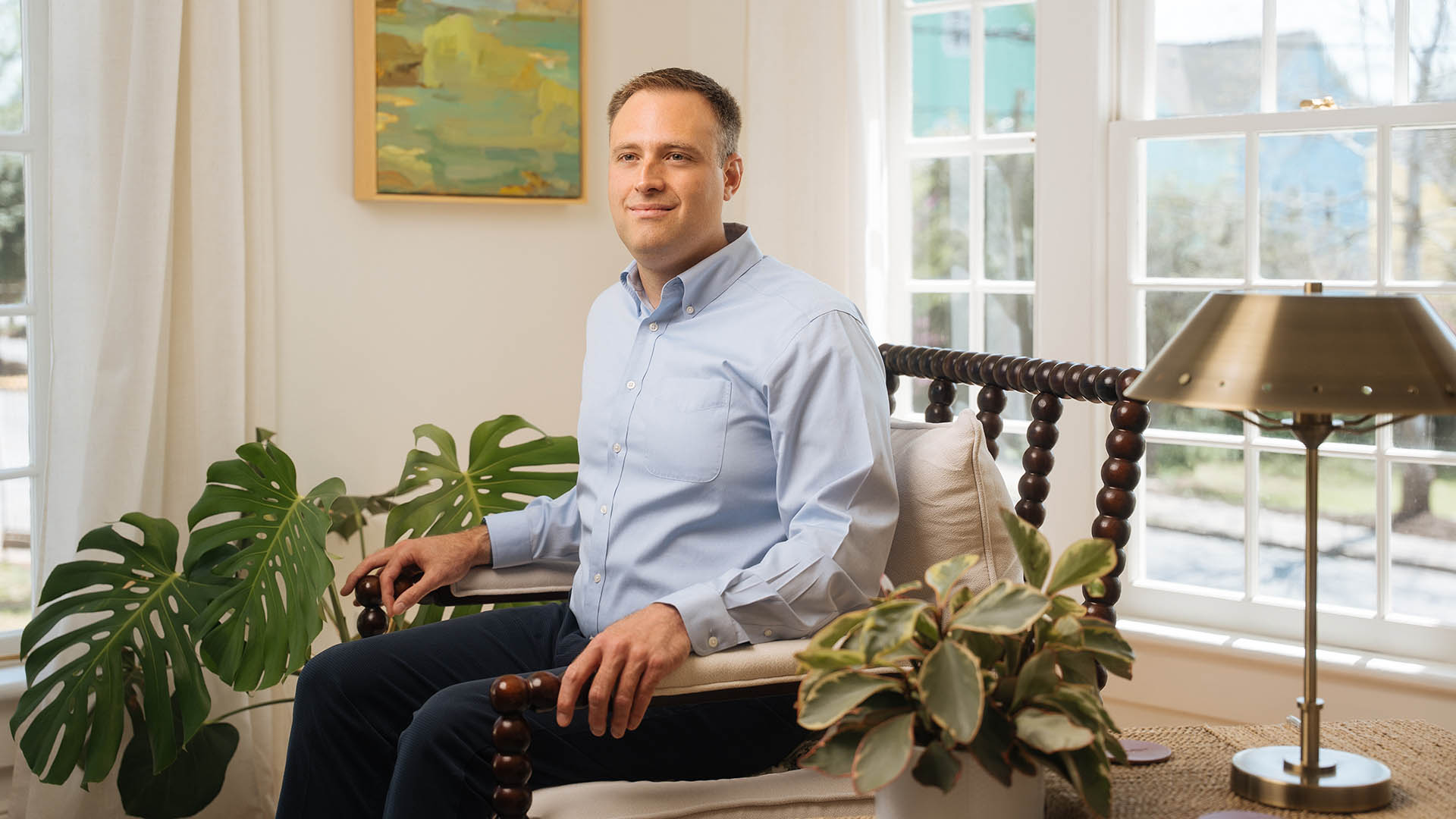 Wallenborn learned the mechanics behind historic-rehabilitation projects while earning his master’s degree in real estate development at Clemson University. Before studying at Clemson, Wallenborn developed marketplace stores for The Kroger Co. and solar farms for Dominion Energy. He moved to Greenville in 2016.
While in the program, Wallenborn toured several mill-restoration projects across the Upstate, including Brandon Mill in Greenville and Drayton Mills in Spartanburg. The program taught him about financial modeling, budgeting and historic tax credits that can be used to complete restoration projects.
Historic rehabilitation tax credits are available to developers who renovate an income-producing historic building. Wallenborn used federal and state historic tax credits to restore the Prosper building.
“I realized how important historic tax credits help bring the cost down,” Wallenborn said. “With Prosper, the costs got so astronomical. Labor was going up and I needed (the tax credits) to make the deal work.”
The National Park Service, Internal Revenue Service and the South Carolina State Historic Preservation Office administers the federal historic rehabilitation tax credit. If eligible, developers can receive a tax credit equal to 20% of a project’s rehabilitation costs.
Developers may also qualify for the state tax credit under the South Carolina Historic Rehabilitation Incentives Act. The act grants tax credits of 10% or 25% of the rehabilitation costs for the historic building.
Another tax incentive Wallenborn used for his rehabilitation project was the Bailey Bill. The law allows local governments to approve a special tax assessment for a rehabilitated property. Prosper’s tax assessment was approved by the city of Greenville’s Historic Review Board in August 2024 to be frozen at its pre-rehabilitation value of $734,800 for up to 10 years.
Preservation work
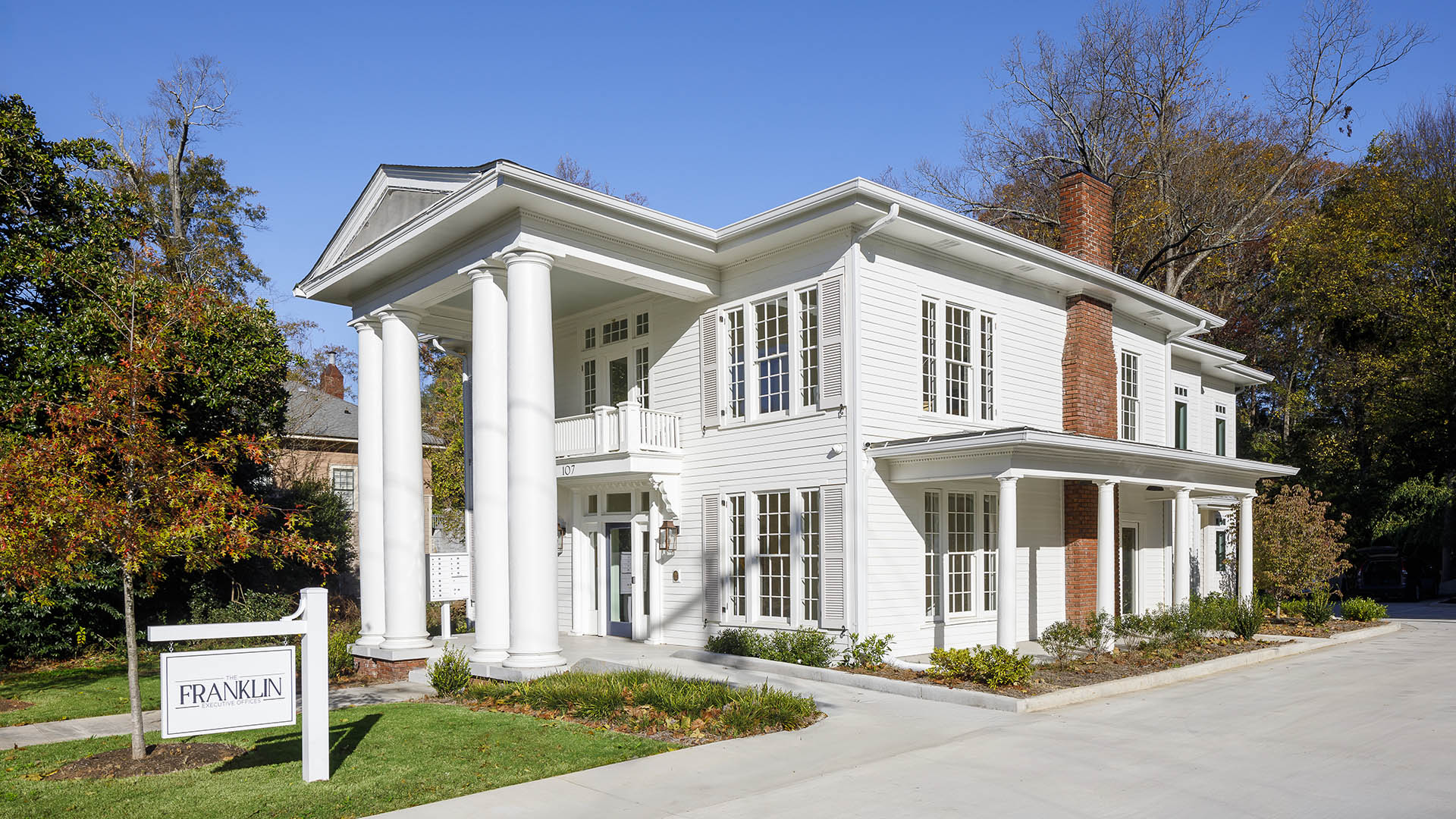 Wallenborn also acquired tax credits to complete his most recent restoration project, The Franklin. In 2023, he purchased the two-story building near downtown Greenville to redevelop into office space. The structure, located at 107 E. Park Ave., was built as a private residence in 1917.
Several elements of the historic building were preserved during renovations, including the pine floors and original double-hung casement windows. Wallenborn said there is a balance to restoring buildings: the developer must respect the building’s original character while also embracing modern needs.
“Is it perfectly from 1917? No, because we have today’s materials you have to use,” Wallenborn said. “But I think there’s a real art to blending the old with the new.”
The Franklin’s restoration was completed in December 2023. Business and medical professionals can rent one of the building’s 11 office spaces, ranging from 90 square feet to 225 square feet. The building also includes a shared break area and conference room.
Wallenborn is currently looking for a new property to rehabilitate in Greenville; however, he said no other projects have penciled out due to high interest rates and the uncertain economy.
“I know something’s going to shift. I don’t know what exactly, but I do think we’ll see more than renovations which I think is great,” Wallenborn said. “I think with the cost to build new, it’s going to make more sense to rehab buildings.”
Wallenborn said he also believes restoring historic buildings into unique commercial real estate is more rewarding than developing new, ground-up builds. He said he would be interested in helping other local developers navigate the historic tax credit process to complete restoration projects in the area.
“I feel the way Greenville is growing so fast, we have to preserve these (buildings) because these are the soul of our city,” Wallenborn said.
Office space
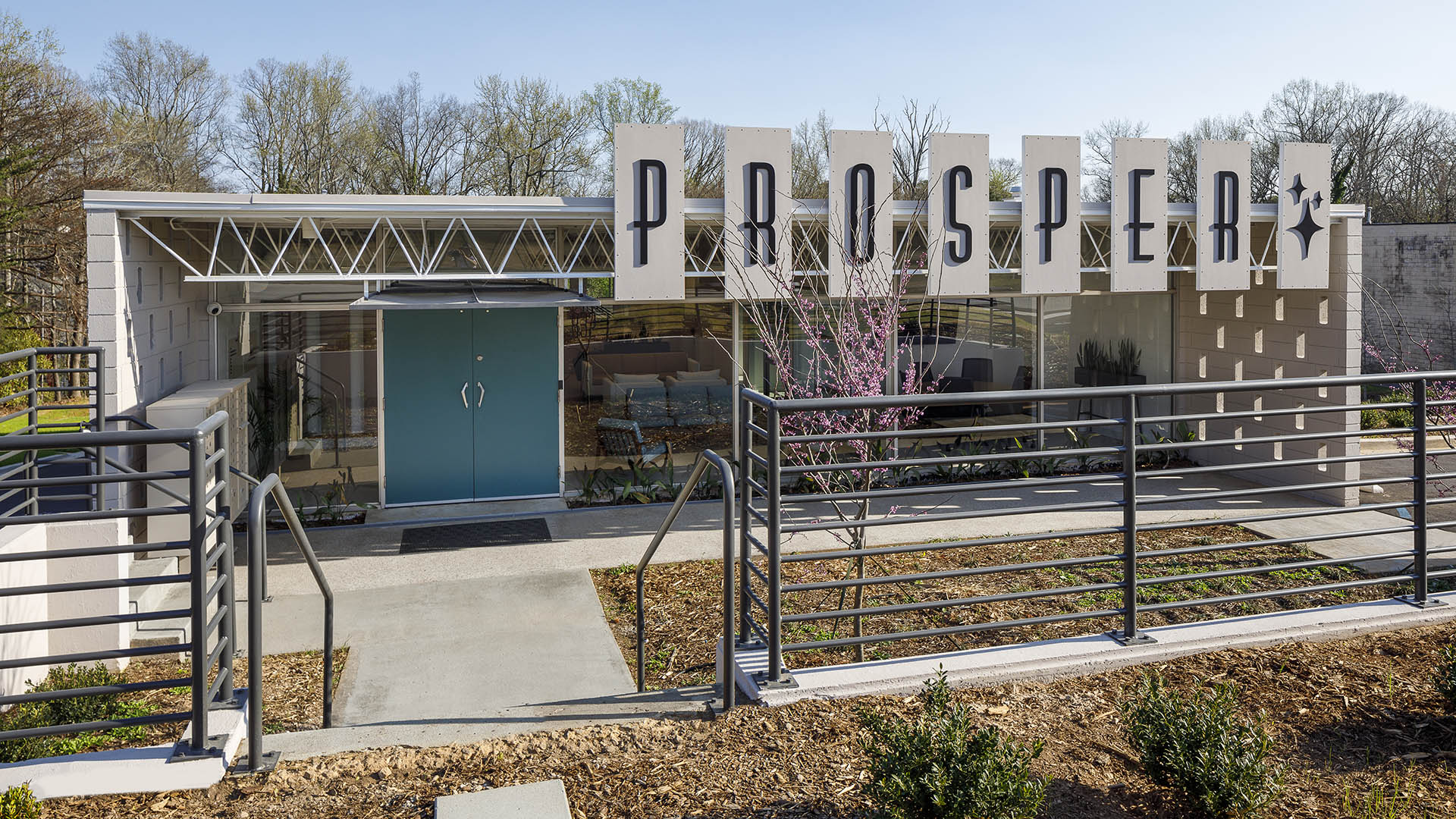
Franklin Real Estate Development redeveloped two historic buildings into executive office spaces for business and medical professionals to rent. Owner Kurt Wallenborn said he saw the opportunity to create unique, private office spaces after the office environment changed following the COVID-19 pandemic.
- The Franklin has 11 rentable office spaces ranging from 90 square feet to 225 square feet.
- Prosper has 25 rentable office spaces ranging from 75 square feet to 138 square feet.
Project details: Prosper
- Location: 832 Wade Hampton Blvd.
- Year built: 1962
- Property purchased: December 2021
- Size: 7,000 square feet
- Project cost: $2.8 million
- Renovation timeline: August 2022-January 2023
Project details: The Franklin
- Location: 107 E. Park Ave.
- Year built: 1917
- Property purchased: March 2023
- Size: 3,517 square feet
- Project cost: $2.4 million
- Renovation timeline: June-December 2023
Restoration details
A key element of Franklin Real Estate Development’s restoration of the mid-century modern building on Wade Hampton Boulevard involved a sign on the front of the building. Kurt Wallenborn and his team replicated the original sign for McBride’s Office Supply to spell out the building’s new name, “Prosper.”
Historic tax credit application process
Kurt Wallenborn, owner of Franklin Real Estate Development, said applying for historic tax credits is a complicated process.
For example, the 20% Federal Historic Rehabilitation Tax Credit requires a three-part application. The tax credit is administered by the National Park Service, the Internal Revenue Serving and the South Carolina State Historic Preservation Office.
Part 1: The developer must submit information on the building’s appearance and significance.
Part 2: The developer must describe the current building’s condition and the planned rehabilitation project.
Part 3: After the project is complete, the developer will submit documentation that the work was completed as originally planned.
Source: National Park Service
Historic tax credit: By the numbers
More than 49,000 rehabilitation projects have been completed since the inception of the Federal Historic Preservation Tax Incentives Program in 1976. The program has leveraged more than $235 billion in private investment for the rehabilitation of income-producing properties.
Source: National Park Service
About Kurt Wallenborn
- Born in Roanoke, Virginia
- Earned a Bachelor of Science in real estate from Virginia Commonwealth University
- Earned a master’s degree in real estate development from Clemson University
- Worked as a real estate specialist for The Kroger Co.
- Worked as a real estate analyst for Dominion Energy
- Worked as a development manager for Centennial American Properties
- Started Franklin Real Estate Development in 2019