

In a lot of ways, a hotel functions as a miniature city.
The various departments and employees within the hotel and its corporate offices work together to provide what is hopefully an enjoyable experience for every customer staying the night.
“It’s like running a city because there’s an engineering department, an accounting department, food and beverage, housekeeping,” said Jenny Morris, the director of sales and marketing at Hyatt Regency Greenville. “I mean, you’re doing everything and you could basically live here if you wanted to.”
It goes without saying that employees are essential to the functioning of a hotel, but the hospitality industry currently struggles to retain its workers. According to the Bureau of Labor Statistics, 6.7% of hospitality and leisure workers left their job in February 2023.
Stephanie Stanton, vice president of talent and culture at Auro Hotels, explained the current turnover rate is very high in the hospitality industry. The rate, however, has lowered since the COVID-19 pandemic, which had a strong negative impact on the industry.
But to continue improving the industry’s turnover rate, hotel-management companies such as OTO Development in Spartanburg and Auro Hotels in Greenville have focused on hiring strong workers, providing growth opportunities and creating a good culture for their employees.
Hiring and internships

“It all begins with hiring the right person in the beginning,” Stanton said. “So we hire attitude and we hire not necessarily skillset — we can train you (on) how to use our computer system. If you have that passion for guest service and guest satisfaction, you’ll be a great fit here.”
Along with hiring new employees, hotel-management companies also focus on recruiting interns to help them gain the experience of working within the hospitality industry.
Catherine Johnston, vice president of human resources for OTO Development, said the company provides internships both within the corporate offices and out in the field at one of its hotels.
“Then we use it once again too as a pipeline for us because normally we get individuals that are leaving the summer after their junior year going into their senior year so that then we can bring them back,” Johnston said.
Sarah Keim, regional director of revenue management at OTO Development, worked as a summer intern at the company in 2020.
“My internship was operations based, so I was heavily involved in learning about the front desk, housekeeping, food and beverage operations. Then I also had a little bit of opportunity to see the revenue-management side of things, which is where I am now,” Keim said. “That actually was one of the pieces that I did not know existed in terms of a corporate hotel job. So after graduating, I took a revenue analyst position which was my entryway into the department.”
Internal promotion for employees
Focusing on growing and developing the internal pipeline of employees is a key strategy to help retain workers, Johnston said.
“We have several kinds of career paths outlined for folks,” Johnston said. “We kind of talk to employees during evaluation, during interviews, during our one-on-ones that we do with them and kind of gauge what their interest is and then begin the development process.”
Michael Pope, general manager of AC Hotel Spartanburg, started working for OTO Development in 2017 as a bartender at the hotel he now manages. Other roles he has held within the company include marketing intern, sales manager and director of sales.
“There’s always been communication around growth and interest,” Pope said. “I think sometimes even our higher-ups or our bosses know that we’re capable to do something before we even get on board with it. So giving that opportunity before I even necessarily feel comfortable (taking) the job, knowing that they’ll provide you help along the way, I think that’s the biggest thing too.”
Developing a strong culture
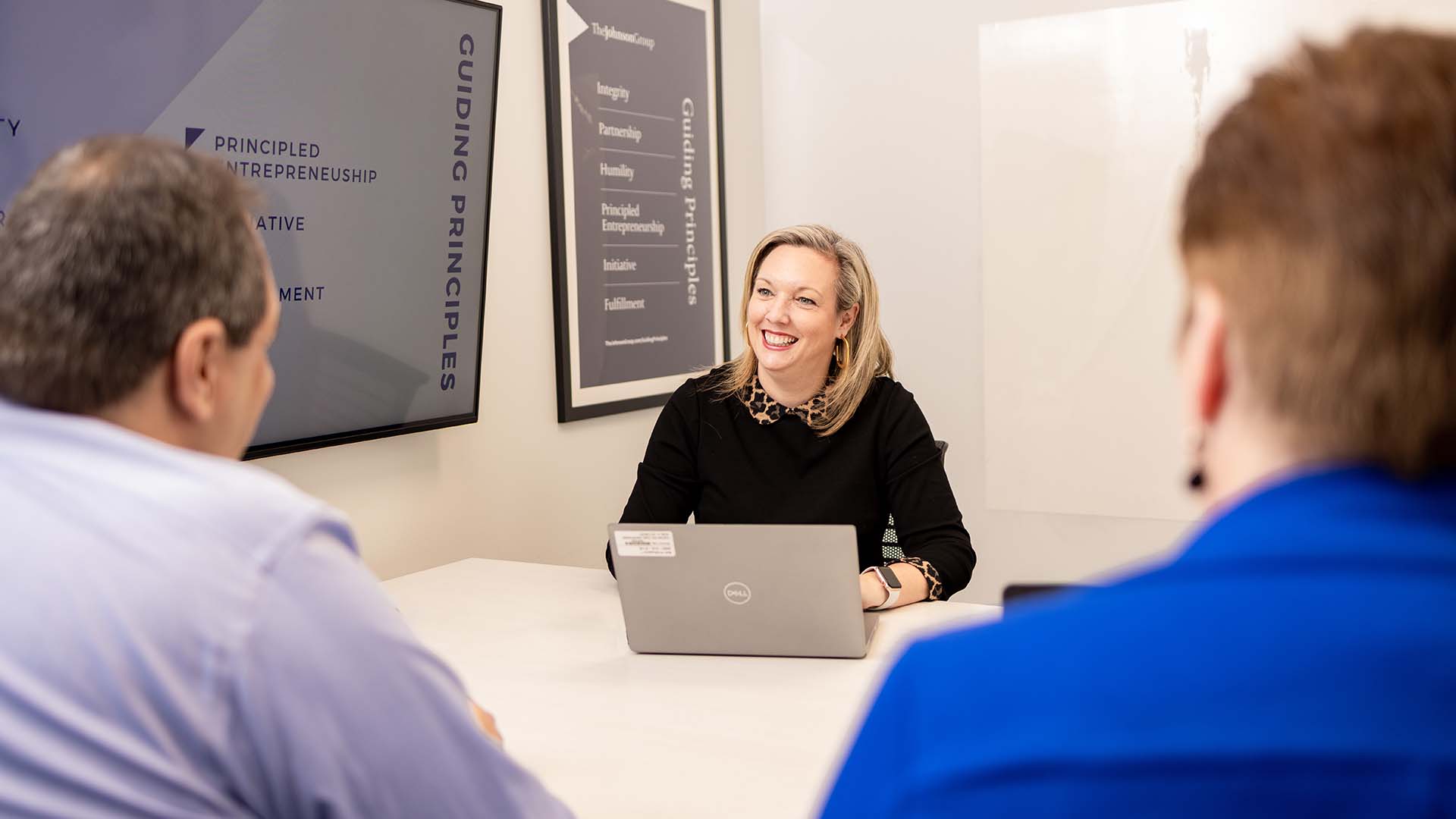
Pope explained that by promoting employees from within, the company is able to create a supportive culture that helps retain its workers.
“I truly believe that I would not be in my position without the culture that is here,” Pope said. “To have a company interested in you and having that culture be something (where) you want to come to work … you want to try new things — they give you a platform to be able to really try new things and see what works and what doesn’t work. And at the end of the day, it’s all about the people.”
Establishing a good workplace culture also helps with recruiting new employees, said Bryan Malone, director of design and construction at Auro Hotels.
“Culture is huge. In my mind, it’s No. 1,” Malone said. “You got to have people that want to be engaged in the process. This is not an organization where you can come and punch the clock at 9 o’clock in the morning and punch the clock at 5 o’clock when you leave. This is an engagement industry and an engagement company. And if the culture doesn’t fit, then you’re not (going to) be too successful at it.”





