It’s a common enough site around the Upstate to find long-neglected properties in the middle of communities and seemingly ripe for redevelopment.
The reasons such properties sit abandoned for decades vary, ranging from a property owner simply not having the wherewithal to do anything to an absentee owner who has forgotten about it or can’t be bothered to do the necessary work.
But other dilapidated properties face more daunting challenges like site contamination. Returning those properties to productive use is the driving purpose behind the Environmental Protection Agency’s brownfields program.
Untangling the unknown
Often the greatest hurdle to redeveloping long-abandoned properties is the unknown.
Answering those questions is at the heart of a recent $1 million, five-year EPA brownfields grant awarded to the Greenville County Redevelopment Authority.
The grant will underwrite a series of site assessments largely centered on the Augusta Road and White Horse Road corridors, according to Imma Nwobodu, GCRA program director.
She said finding out whether a property contains any contaminants is only one of several goals the grant funding seeks to achieve, but that knowledge is often the missing and crucial first step in enabling a property to be redeveloped.
“It actually helps you prepare for potential cleanup,” Nwobodu said. “It makes (a potential developer) more comfortable for the next phase.”
She explained the grant will go beyond answering the initial question of what is present on a prospective property and includes funding for developing cleanup and redevelopment plans.
Specifically, the grant will fund:
- 20 Phase 1 environmental site assessments
- 12 Phase 2 environmental site assessments
- Eight cleanup plans
- 10 redevelopment plans
- Community outreach and support initiatives
According to the grant, assessments will focus on Fountain Inn, Simpsonville, the former Woodmont High School site in Piedmont and the Augusta Road corridor. Priority sites include the old high school, the 33-acre former Wilson Sporting Goods factory in Fountain Inn and a former Spinx gas station in Simpsonville that was demolished in 2016.
Nwobodu said targeting long-abandoned buildings is a good place to start when trying to identify potential brownfields sites. They often have murky, tangled ownership histories that can make it a challenge to understand all the ways the property may have been used over the years.
Add to that the long interval of abandonment, during which anyone could have dumped anything on the property without anyone’s knowledge, and it becomes easier to understand why a developer might be reluctant to take on a project with such a large question mark hanging over it.
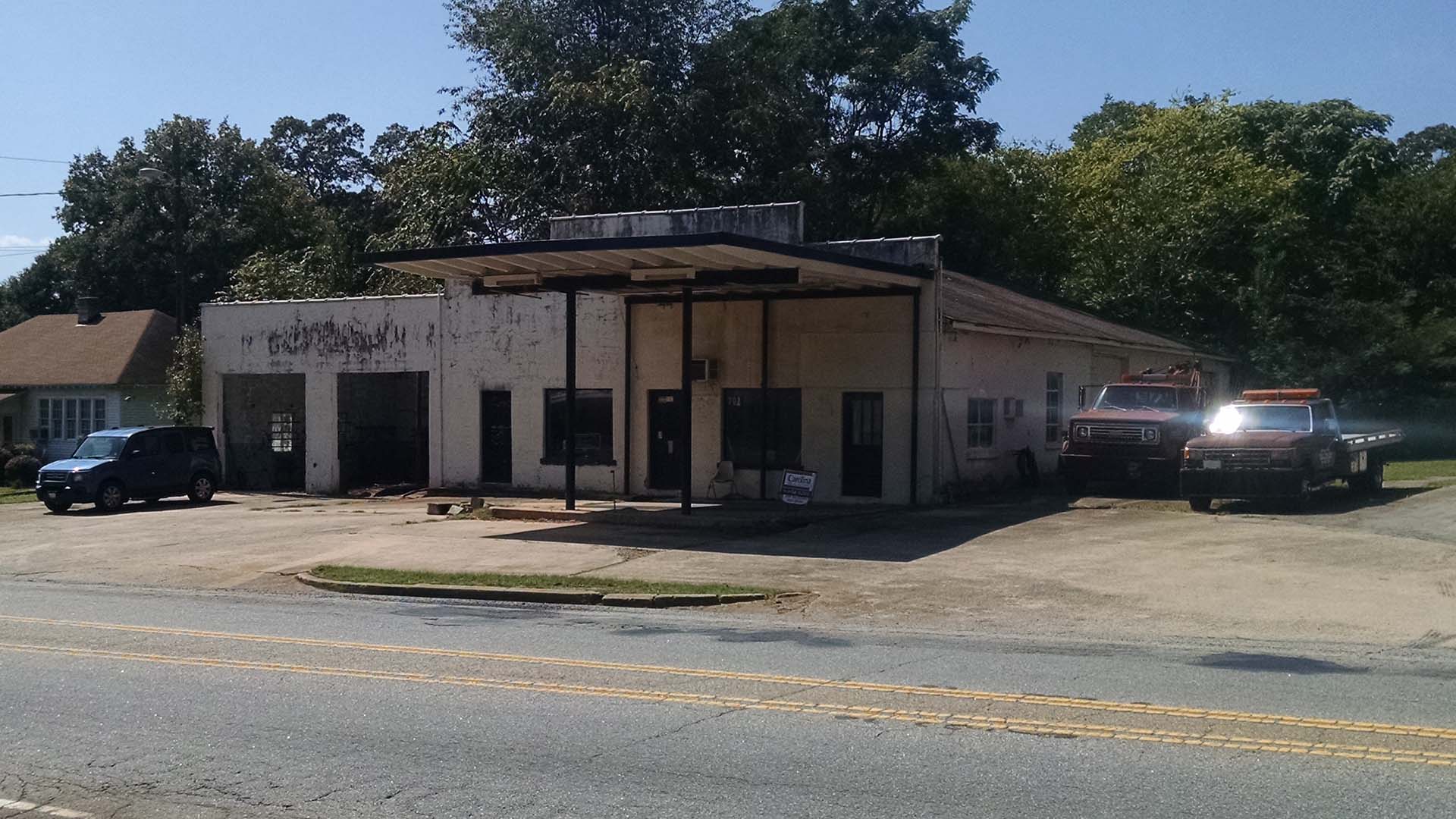
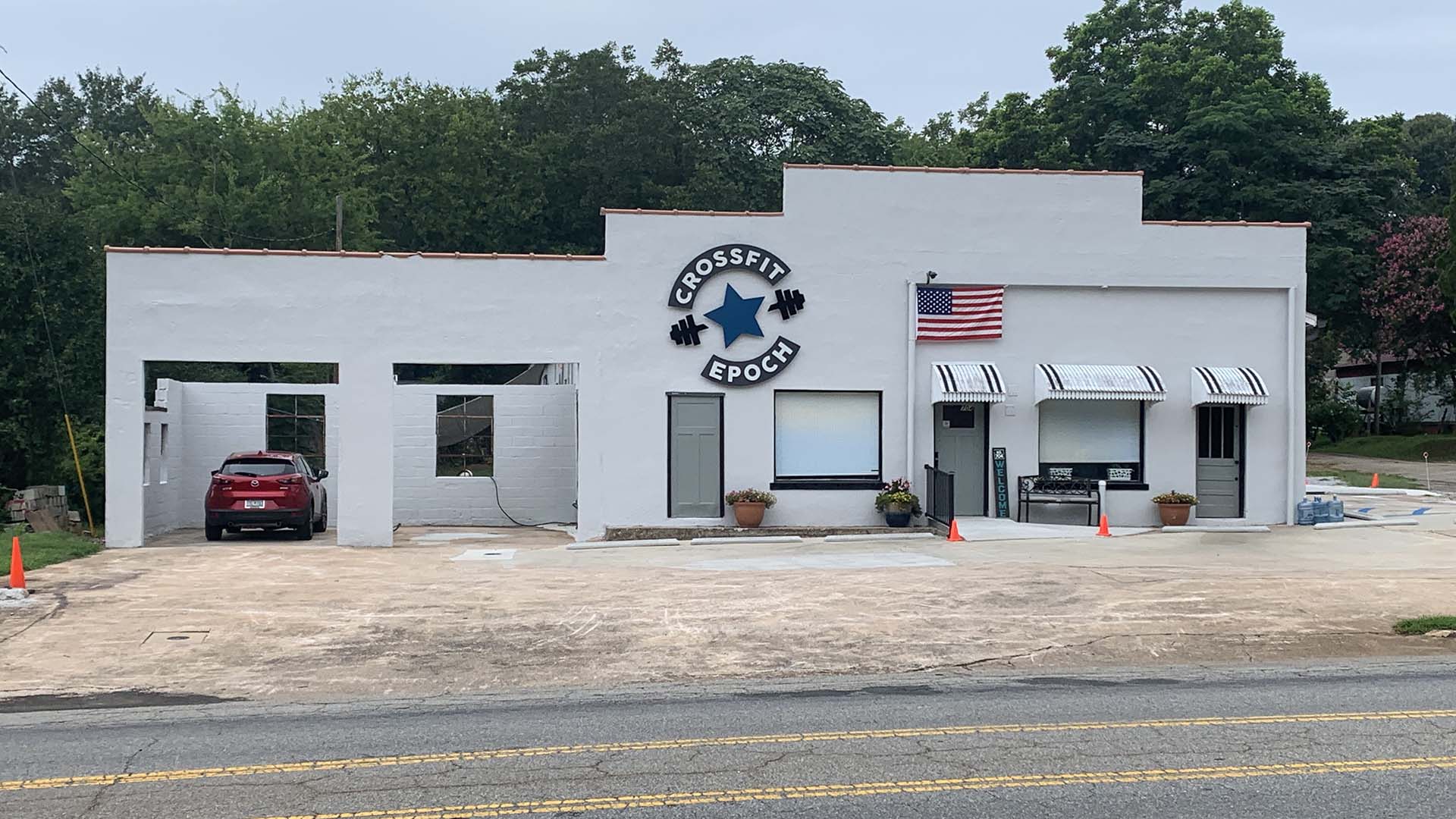
The Town of Central leveraged $550,000 in EPA Brownfields Assessment and Cleanup grant funding and more than $200,000 in public and private funding to revitalize four of the most blighted properties in downtown. The abandoned gas station sat dilapidated on Main Street for more than 25 years. After assessment and remediation a new gym was established creating 11 new jobs.
Making a difference
Because of the variety and complexity of issues surrounding brownfields projects, the field relies heavily on expert environmental consultants.
There are two such firms serving South Carolina, and the primary one serving the Upstate is Terracon, according to the company’s environmental services department manager, Tice Welborn.
Welborn and Terracon work with a wide range of local governments and agencies as well as developers to find solutions for problematic properties. He said it is especially gratifying to work with small towns that typically don’t have the staff or expertise to apply for the grants that can be the vital first step in bringing a derelict property back to life.
He added what makes such work even more meaningful is often those challenging properties are at the hearts of their communities. Turning them productive again is often the key to revitalizing an entire area.
A case in point is made with four projects his firm worked on with the town of Central in Pickens County. Through a series of brownfield assessment and cleanup funding from the EPA, combined with about $200,000 in public and private funding, the town was able to rehabilitate the properties.
Welborn said those redeveloped properties went on to serve as economic magnets for the community that drew in other interest and development — all after languishing for decades under a cloud of uncertainty.
Missing links
Welborn and Nwobodu said the public often has an important role to play in untangling the mystery behind abandoned properties being investigated through the brownfields program.
Welborn recalled a case a few years ago when a lifelong resident of a mill village was able to remember details from her childhood that helped investigators determine activities that took place on a nearby property decades earlier.
The woman even produced a picture of her family that clearly showed the smokestack of an incinerator that mill owners used to dispose of trash from the mill and nearby homes.
Welborn said such firsthand knowledge is valuable in zeroing in on what challenges a site might hold.
Nwobodu said making it easier for residents to give site investigators such information will be a key function of a dedicated website GCRA plans to set up as part of implementing the grant.
For more information about GCRA’s work and for updates on the brownfields grant rollout, visit gcra-sc.org.