It was a bleak but familiar message.
“It is with great sadness that we’re announcing the closing of Rotties221 Biergarten,” the message began.
That announcement, which was shared on social media on July 20 by the team behind Rotties 221 Biergarten in Woodruff, followed a typical pattern. As more bars and restaurants have faced economic headwinds in recent months, closure announcements have become commonplace.
But while past announcements have cited challenges from COVID, staffing issues and rising costs, this message from the team of Rotties mentioned a newer trend.
“With the recent alcohol-liability insurance rate hikes, it has become impossible for us to continue to operate a profitable business,” the owners said.
Those three words — alcohol-liability insurance — have become a growing source of anxiety for local bar and restaurant owners. Caught between the forces of insurance companies on one side and personal-injury lawyers on the other, small business owners are now facing significant cost increases if they want to keep their doors open.
It has created a nightmare scenario that has many questioning whether owning a bar or restaurant is even worth it in South Carolina.
Nightmare scenario
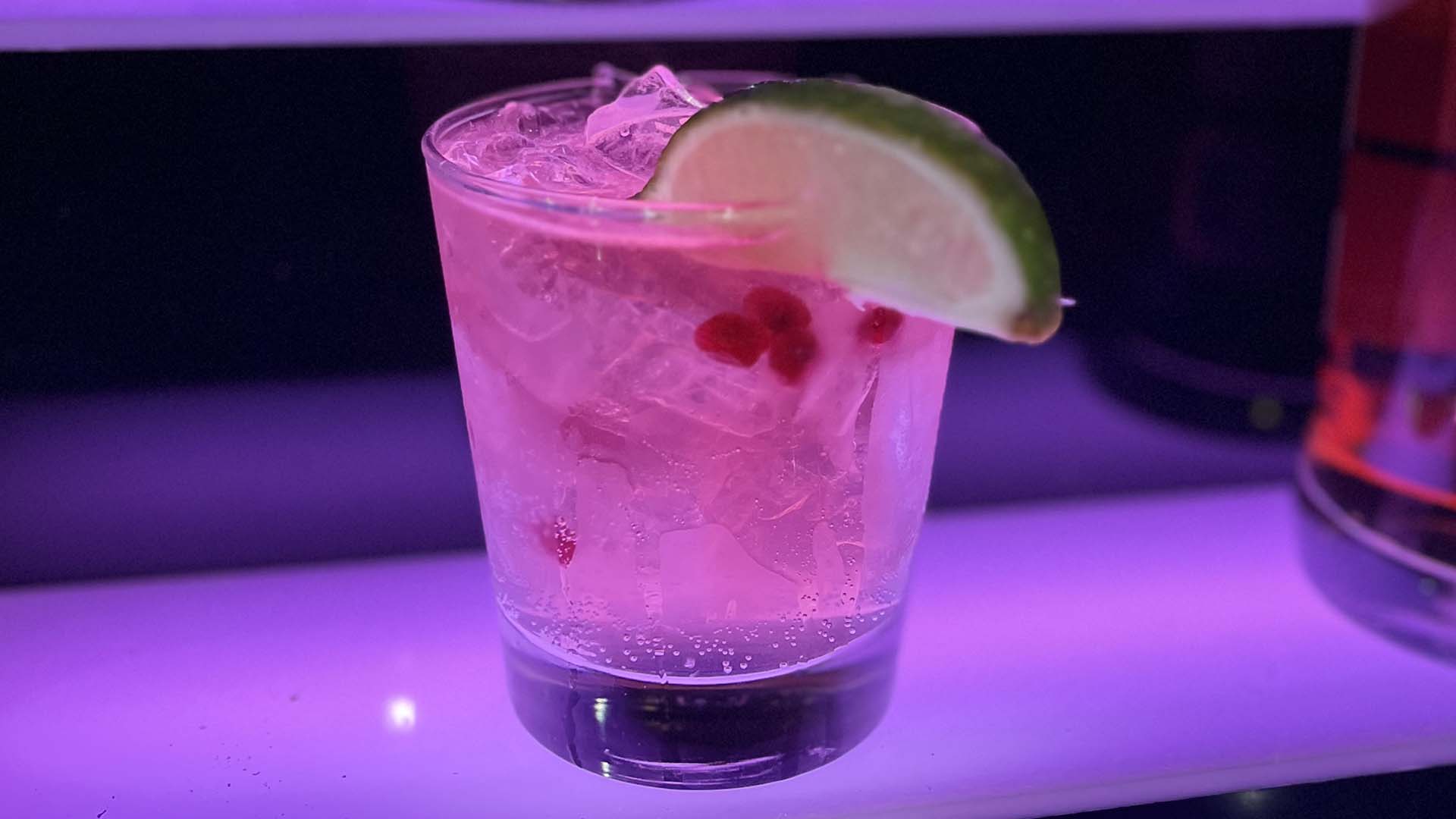
Let’s say you’re a restaurant owner who runs a popular brunch spot. One Saturday morning a diner comes in, orders food and decides to get a single champagne mimosa. The customer pays the bill and leaves.
Twelve hours later, that same person goes to a completely different bar across town, where they consume a dangerous amount of alcohol. They drive home drunk, crash into another car and kill someone.
Under South Carolina law, because you served that person a mimosa 12 hours earlier, you may be liable for damages. It does not matter that you only served the person a single drink and that they were not drunk when they left your establishment. The lawyers representing the victim of the crash can seek a settlement from your restaurant.
But the true nightmare scenario is what could happen if you try to fight the case.
Under South Carolina’s joint and several liability law, if you fight and lose, you must pay for the entirety of the verdict on your own — even covering the damages of another bar that may have been more culpable.
A single mimosa could end up costing you millions of dollars.
“Anyone can tell you this is not fair,” said Hank Davis, vice president of government affairs and community development for the South Carolina Restaurant & Lodging Association. “There are bars and restaurants we represent that are doing everything right — they’ve got point-of-sale systems tracking everything, checking IDs, camera systems to ensure people aren’t getting overserved, being responsible — and they’re still getting dinged horribly by all this.”
 Skyrocketing rates
The current state of liquor liability in South Carolina has a far more common detrimental impact on the bottom line.
In 2017, the South Carolina state legislature passed a law requiring bars and restaurants to maintain liability insurance with coverage of at least $1 million annually. The law, introduced by senators Gerald Malloy and Luke Rankin, was meant to empower victims.
But bar and restaurant owners said it had the unintended effect of penalizing good faith business owners. Rates for liquor liability insurance skyrocketed as a result. More than a dozen insurance carriers have left the state.
One bar owner in Myrtle Beach said their liquor liability insurance policy cost $55,000 in 2022 but rose to $145,000 in 2023. A restaurant owner in Columbia was paying $30,000 in 2022, but is now paying $150,000 annually. In Greenville, the longtime establishment Smiley’s closed its doors after owner Mike Frazier said his rates went from roughly $6,000 in 2020 to more than $22,000 last year, with next year’s rates priced closer to $55,000.
The rate increases are especially intense for establishments that make most of their money on alcohol, like Smiley’s, as opposed to restaurants that make much of their revenue on food.
From the perspective of Davis, who works with countless bar and restaurant owners through the Restaurant and Lodging Association, the problem is only getting worse.
“It’s not an exaggeration to say we’re at a crisis point when it comes to liquor-liability insurance,” Davis said.
Murdaugh connection
The most famous example of the complexities of South Carolina’s joint and several liability law can be found in a recent development in the Murdaugh family saga. By now most are familiar with the case of the Alex Murdaugh, who was convicted earlier this year of killing his wife, Margaret, and youngest son, Paul.
In 2019, Paul Murdaugh was behind the wheel in a boat wreck that led to the death of a passenger, Mallory Beach. Before the crash, Murdaugh stopped by Parker’s convenience store where he used the ID of his older brother to purchase alcohol despite being underage.
Last month, Parker’s Corp. was ordered to pay the Beach family a $15 million settlement. In a statement, Parker’s said the “unfairness” of the state’s joint and several liability law forced its insurance carriers to resolve the suit.
“The application of the joint and several liability law in South Carolina meant that, if Parker’s was found even 1% at fault, it would have paid for the entirety of any verdict rendered against the Murdaugh family,” Parker’s said.
Chilling effect
It’s easy to see how the result of that case could impact future judgments, according to Carl Sobocinski, who runs Table 301 Restaurant Group in Greenville.
“It’s too easy for trial lawyers to just go crazy over these tragic cases involving alcohol-related accidents and deaths, because insurance companies just say we’re not going to fight this because we’ve seen too many trials in this state where they lose. So they’ll just as soon pay the million dollars to settle right off the bat,” Sobocinski said.
Nate Tomforde, a brewer and restaurant owner who runs Crafted Community Concepts in the Upstate, was more blunt.
“These attorneys know what they’re doing. They know the insurance companies are just passing out those million-dollar settlements like candy,” Tomforde said. “ If you serve somebody a single drink and something happens, they don’t even fight it — boom, here’s your million bucks. I’m not surprised so many insurance companies are freaking out.”
With fewer insurance companies operating in the state, the exposure and risk for those remaining is driven higher, which makes rates more expensive. Local restaurant and bar owners are wondering when, not if, the system will reach a point of collapse.
“There needs to be a legislative solution to this,” Davis said.
The hospitality industry is the second largest industry in the state, supporting one in 12 jobs. Industry analysts warn of the ripple effects of the insurance costs, and Davis said he is cautioning lawmakers.
“Think about Charleston, Hilton Head, Myrtle Beach — places that are huge economic generators of tax revenue for our state to operate,” Davis said. “If we continue to go after these businesses, this will be a huge loss in revenue for the state, which means less money on roads, bridges, education, public schools. This is a lot more far reaching than just a couple bars and restaurants possibly closing down.”
For now, lawmakers at the state level have introduced a new bill, the Justice Act. If passed, it would tweak South Carolina’s joint and several liability law to ensure that restaurants pay only for their percentage of fault even if they decide to fight cases.
But Davis and the restaurant owners he represents say that alone won’t be enough.
“The Justice Act act does not remove the million-dollar minimum insurance requirement, but it is a good first step,” he said.
In the meantime, those in the industry say diners and drinkers should expect more bars and restaurants to shut down.
“After dealing with COVID, struggling with staffing, inflation and all that, this is the straw that’ll break the camel’s back for a lot of them,” Sobocinski said.