
For decades, abandoned textile mills have stood as proud but derelict reminders of South Carolina’s manufacturing history; however, recent redevelopment trends are bringing new life to communities whose vitality had waned with the closing of those mills.
What’s happening in two such communities – Drayton in Spartanburg County and Piedmont in Greenville County – demonstrates how, increasingly, such communities are being reimagined, reinvigorated and renewed.
History as prelude
Drayton Mills contributed significant horsepower to the engine that powered Spartanburg’s economic health for decades and served as the beating heart of a thriving textile community scarcely a stone’s throw from downtown.
Like many textile plants across the state, the mill and its surrounding community suffered a long decline through the latter half of the 20th century. And like many other plants, Drayton Mill sat vacant for years before redevelopment took place.
Unlike many other such sites, the mill was owned by a company, Pacolet Milliken, that served as a caretaker with the goal of bringing new life and purpose to the property. The family-owned investment company was spun out of Milliken and Co. in 2007 and inherited a portfolio of assets and more than 30,000 acres of property across the region.
That connection to the Milliken family’s textile history and vested interest in the economic health and wellbeing of the community help drive Pacolet Milliken’s investment priorities, according to Jennifer Calabria, director of land development for the firm.
Calabria explains the vision behind the various aspects of Drayton’s redevelopment is equal parts honoring the rich heritage of the community and providing a welcoming, attractive home for the new residents and businesses flocking to the region in record numbers.
The early phase of Drayton’s revival saw the mill, which was built in 1905, converted into luxury loft apartments. The 16-acre site has also welcomed the Drayton Mills Marketplace, home to restaurants, shops and offices. Across Drayton Road from the mill complex is a project developed by Orange Capital, an apartment complex called The Lively Drayton Mills.
Calabria says one of the ongoing goals for the project is to develop more single-family housing options to the area. That effort is being spearheaded by Dan Ryan Builders, whose Trailside at Drayton Mills project is mid-way to completion of phase one involving construction of 51 townhomes, more than 30 of which have already been sold.
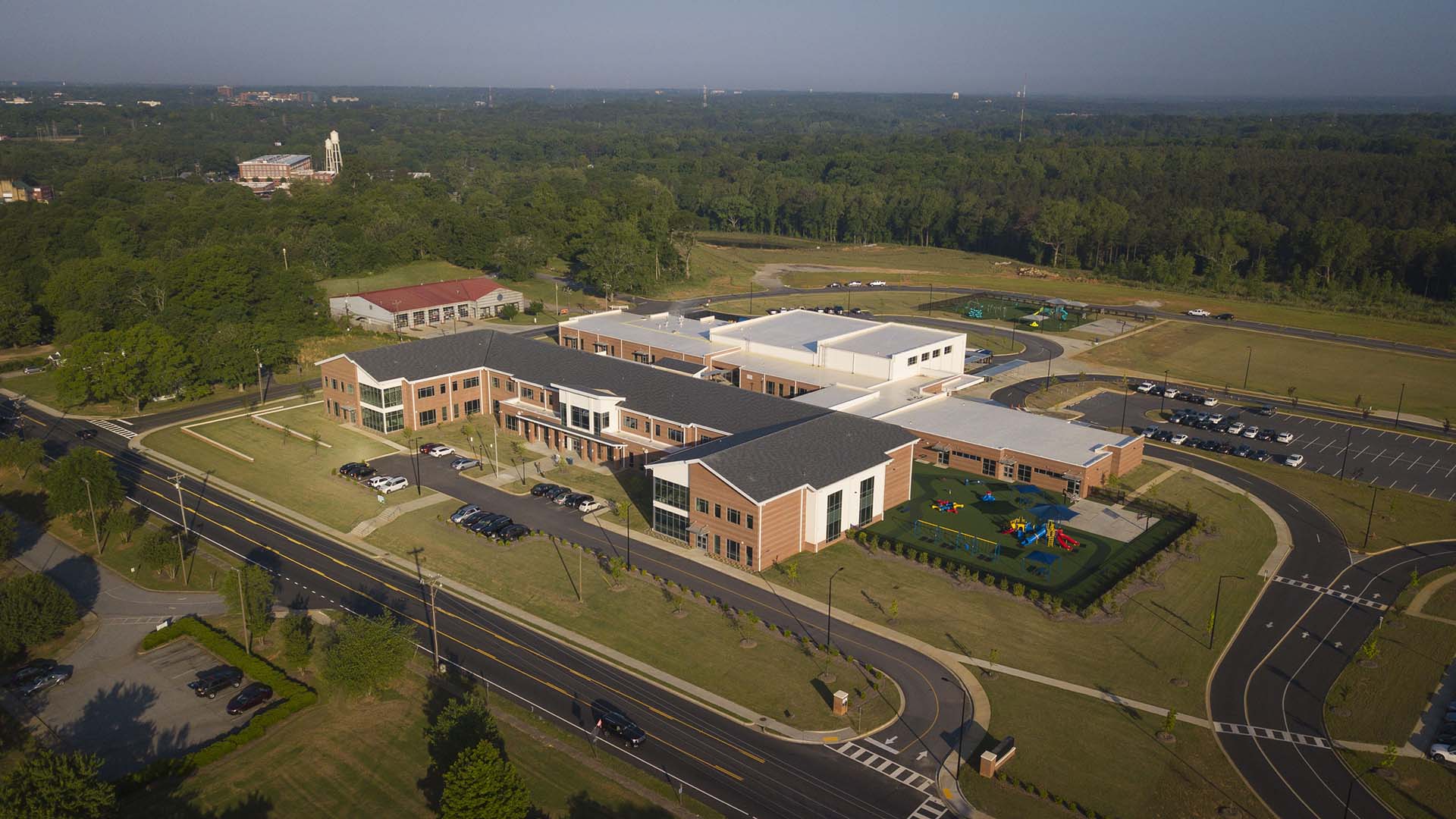
The project adjoins the new Drayton Mills Elementary School and is traversed by Spartanburg’s popular Daniel Morgan Trail. Those two amenities are key elements attracting new residents to the area, according to Marv McDaris, division president for Dan Ryan Builders.
“Our vision is to create a great-looking community that’s a great place to live,” McDaris says.
The townhomes average about 1,500-1,600 square feet and are priced under $250,000. This type of home with its proximity to trails, schools and retail options are increasingly popular with young professionals starting families and empty nesters who embrace what McDaris describes as a “lock-and-leave” lifestyle. This attitude sees home as a place where you “keep your stuff” but where people spend much of their time enjoying nearby amenities.
Location, location, location
Understanding such generational shifts in where people want to live and how they want to spend their time led Larry Webb to have a eureka moment while looking at a building in Piedmont in Greenville County.
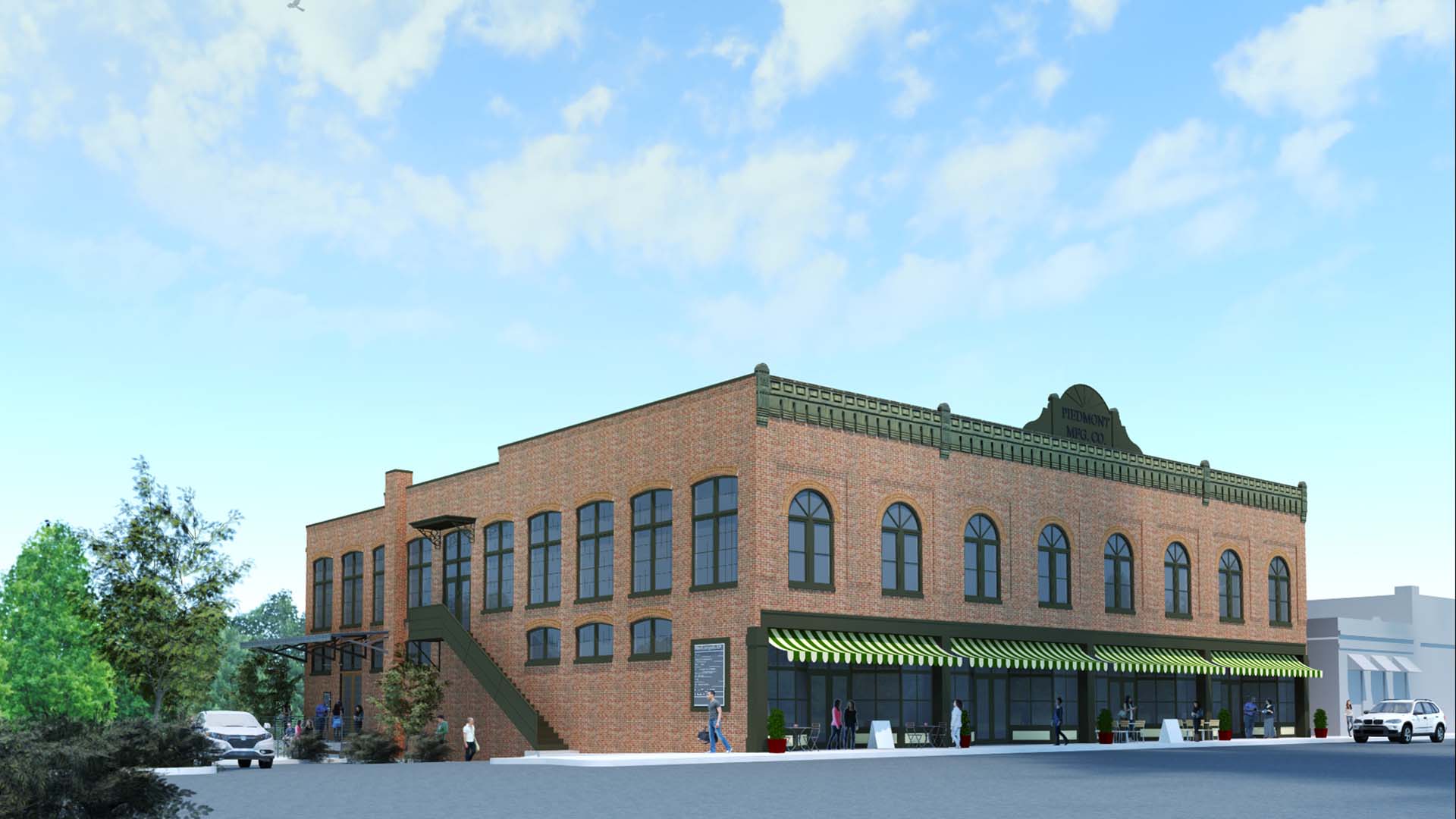
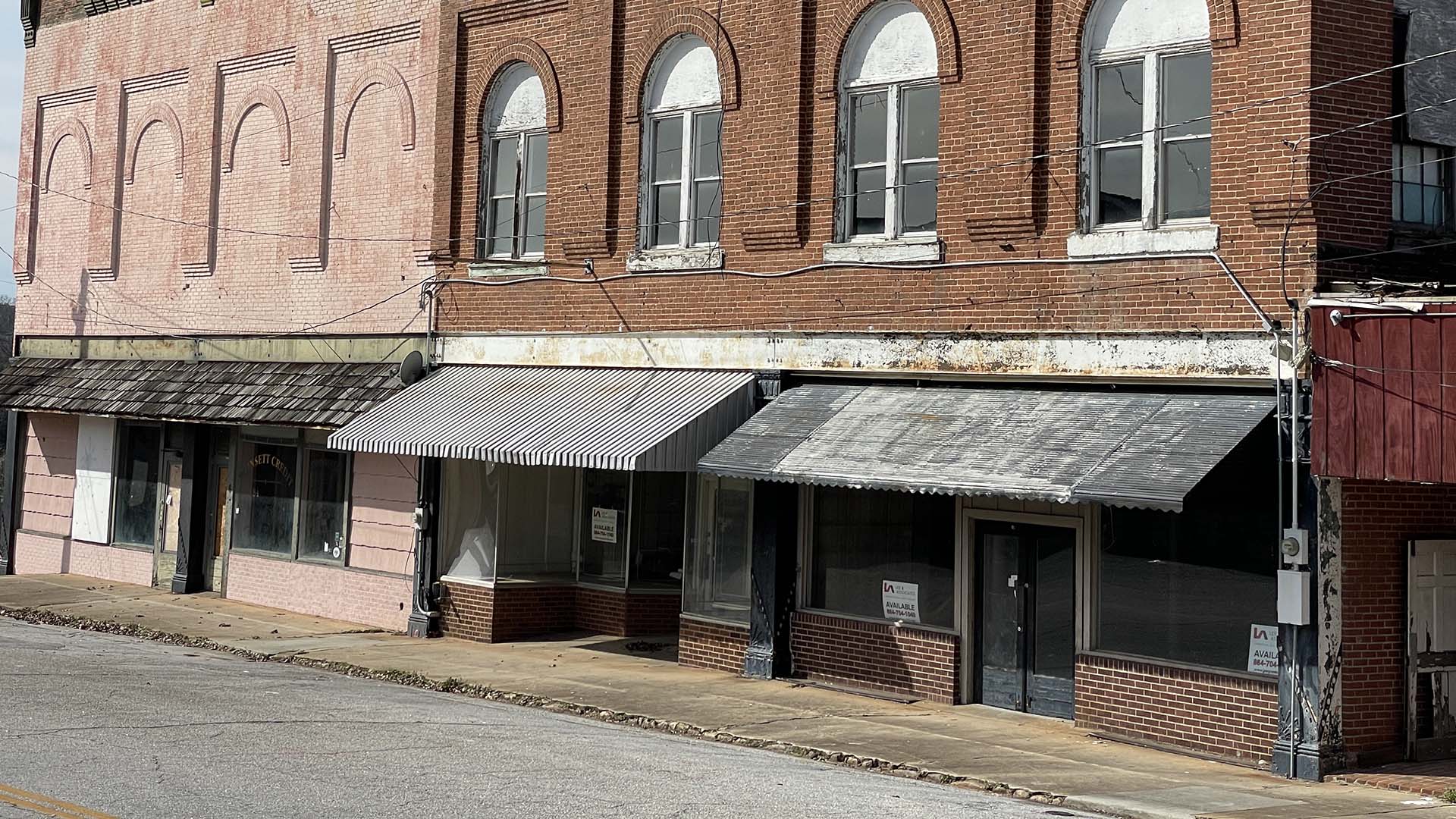
Webb is a senior advisor for investments and development at KDS Commercial Properties and was looking at the old Piedmont Mercantile Building in the community’s downtown in 2019 when a car full of young people helped him see the building’s potential. The group told Webb that they’d been eyeing the area as a place to set down roots, given its lower cost of living compared to downtown Greenville, but they wanted amenities like coffee shops, restaurants, cafes and so on.
That encounter prompted Webb to buy the building and embark on a years-long project to restore the building that is expected to get underway in the coming months.
Undaunted by the delays brought on by the pandemic or the time-consuming procedural delays in getting the building listed as a historic structure or in obtaining state and federal tax credits for the project, Webb is confident that his efforts will pay dividends for the community.
Slated to return the building to its original 1905 condition, the project is already serving as something of a springboard for others to bring their own development projects to Piedmont.
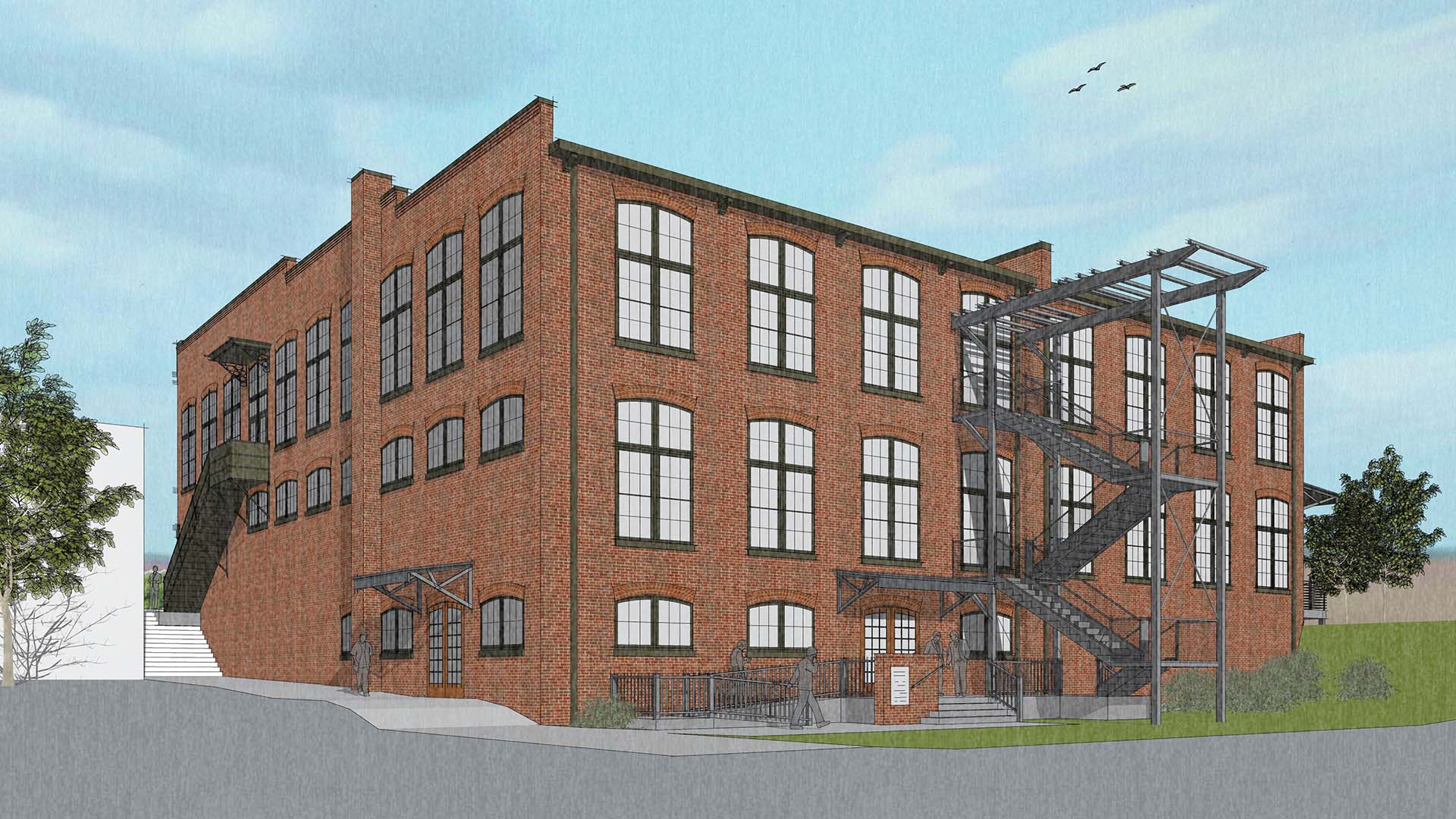
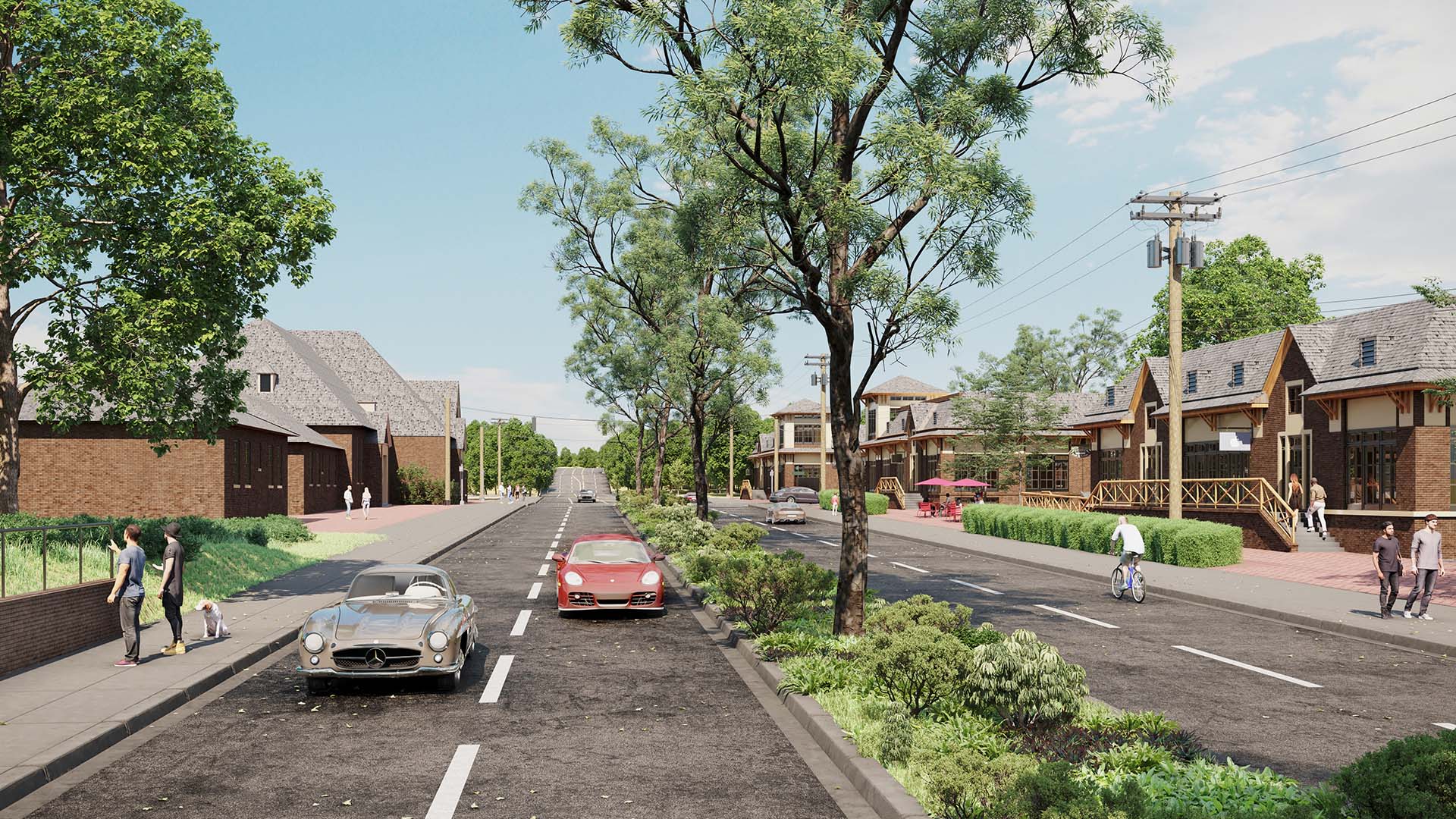
The adjacent 12-acre site of the historic mill Piedmont Number One, which sat vacant until it burned down in 1982, will be the site of up to 60 new townhomes planned by Brad Skelton of Red Oak Developers.
Skelton says the site’s picturesque setting beside the Saluda River and location just a 15-minute drive from downtown Greenville make it an attractive prospect for the thousands of new residents flocking to the Upstate.
“Piedmont is a hidden gem,” Skeleton says. “Piedmont in five or six years will be a destination for people to live.”
He says work on the site is expected to begin by the fourth quarter of this year and expects demand to be strong.
Webb says his project is 70% pre-leased with offices, a tap house and coffee shop among the future tenants.
Skelton says between his project and the mercantile building and another project across the river on the Anderson County side, which will eventually be connected by a planned pedestrian bridge, Piedmont is poised to experience a renaissance.
“We’ve got a lot of runway in front of us,” he says.
Some pros and cons of textile projects
Pros
- Location — many mills are at the heart of communities
- History — mills often provided livelihoods for families across many generations
- Tax breaks — mill-redevelopment projects can qualify for federal and state tax credits
Cons
- Pollution — many sites are contaminated with industrial chemicals that are costly to remove
- Dereliction — mills often sit vacant for years creating uncertainty about how much can be salvaged
- Bureaucracy — Applying for tax credits and/or cleanup permits can be very time consuming





